WORK
This body of work is a response to the essential tension that exists between the concepts of ruin and repair. It represents the gravitational pull of my thoughts and being towards the deliberate interplay of creation and decreation, where their boundaries blur and converge. My sculptures become markers of process rather than space, focusing less on the materials themselves but instead our capacity as humans to shape the world around us. These works are informed by the delicate balance between themes of memory, duration, accumulation, loss, exploring the interconnectedness of our inner and outer worlds. These permeable objects function as borders and conduits, simultaneously dividing the room and revealing openings or windows, engendering a sense of touch and infinite space through their web of patterns and connections.
Throughout these works, I am seeking to address the importance of obfuscating isolation. Every element in these active spaces has a perception of being attended to, emphasizing the use of control within assembly and disassembly. The use of color overtime becomes a pivotal role in the works' duality, challenging preconceived notions of reality and the synthetic – how something can, and often does, move against nature while being influenced by nature. This deliberate use of color invites us to question the spaces between the natural and the constructed and invites us to reconsider the boundaries that define our relationship with the ever-shifting world around us.
Throughout these works, I am seeking to address the importance of obfuscating isolation. Every element in these active spaces has a perception of being attended to, emphasizing the use of control within assembly and disassembly. The use of color overtime becomes a pivotal role in the works' duality, challenging preconceived notions of reality and the synthetic – how something can, and often does, move against nature while being influenced by nature. This deliberate use of color invites us to question the spaces between the natural and the constructed and invites us to reconsider the boundaries that define our relationship with the ever-shifting world around us.
2023
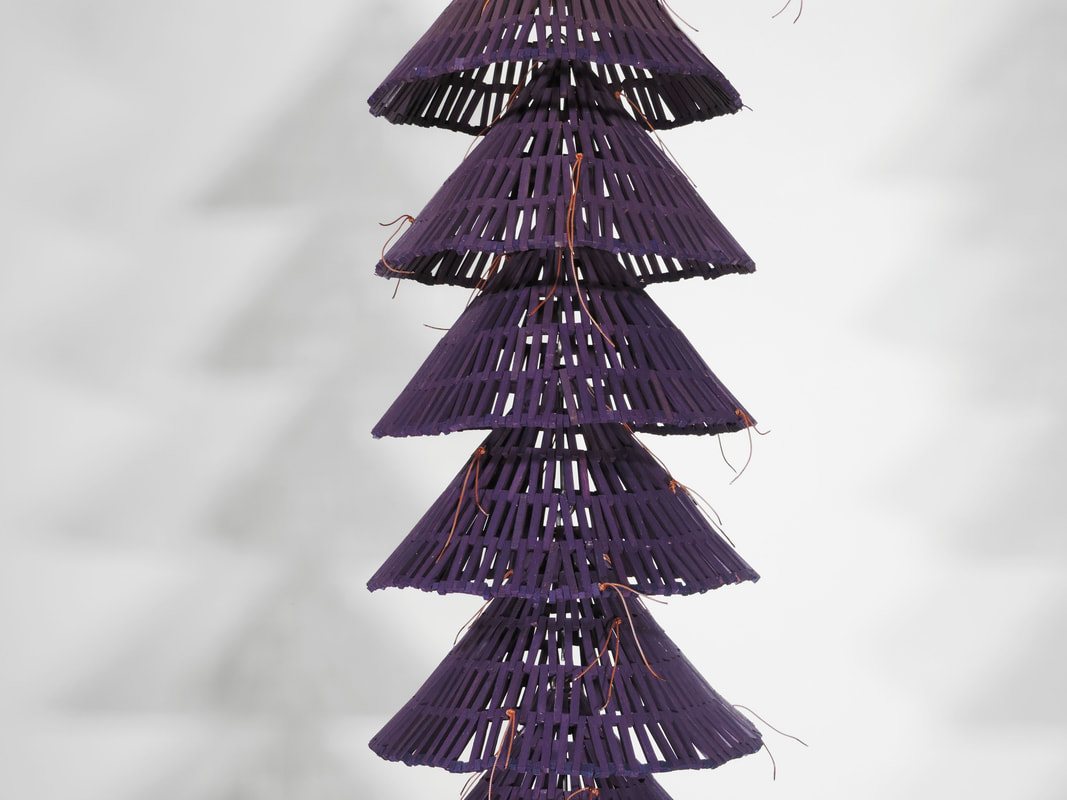
WE DRAW A MAGIC CIRCLE, 2023
|
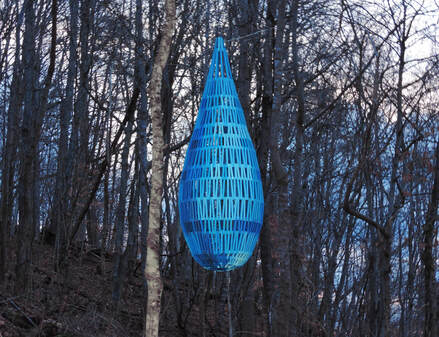
THERE'S NO SUCH THING AS RAIN, ONLY RAINDROPS, 2023
|
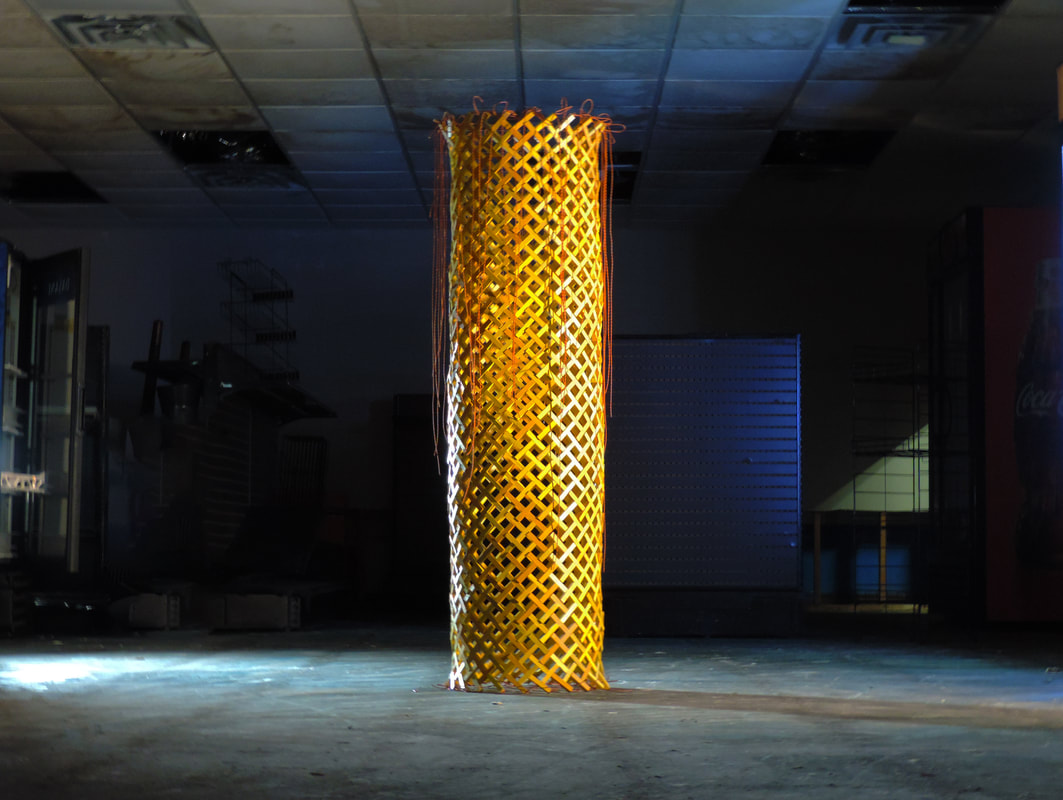
ALL DAY LONG / WEARING A HAT / THAT WASN'T ON MY HEAD, 2023
|
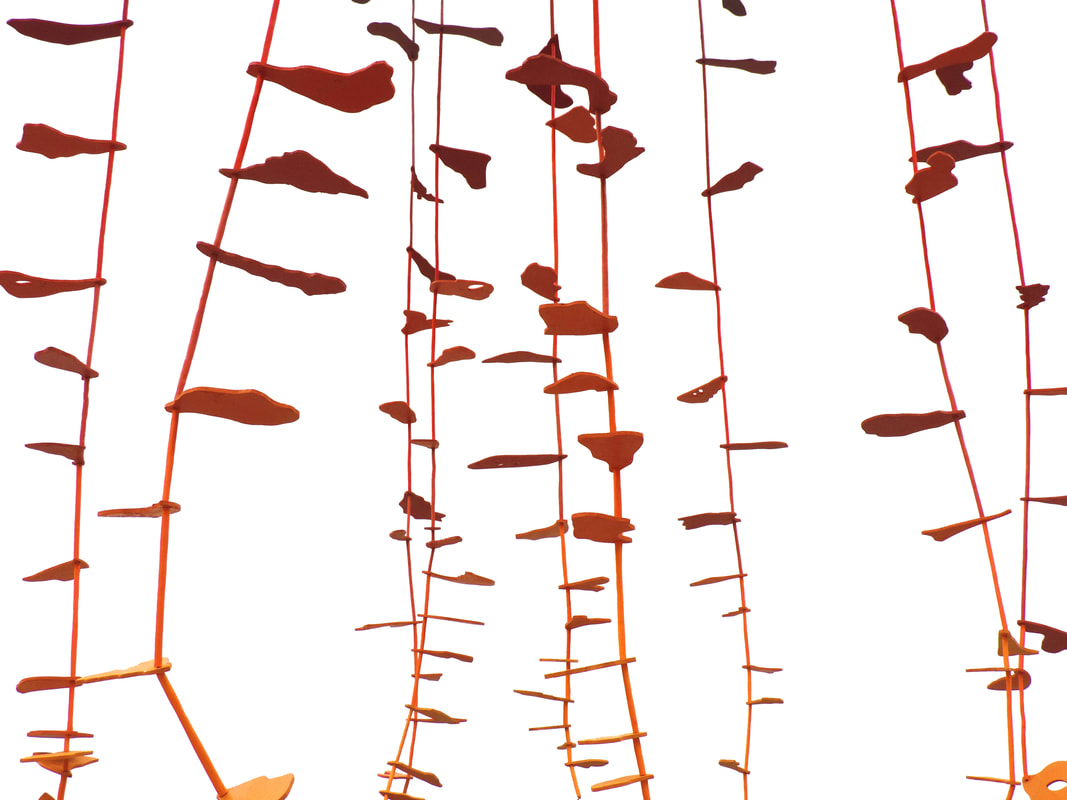
THIS IS HOW THINGS STAND BETWEEN US, 2023
|
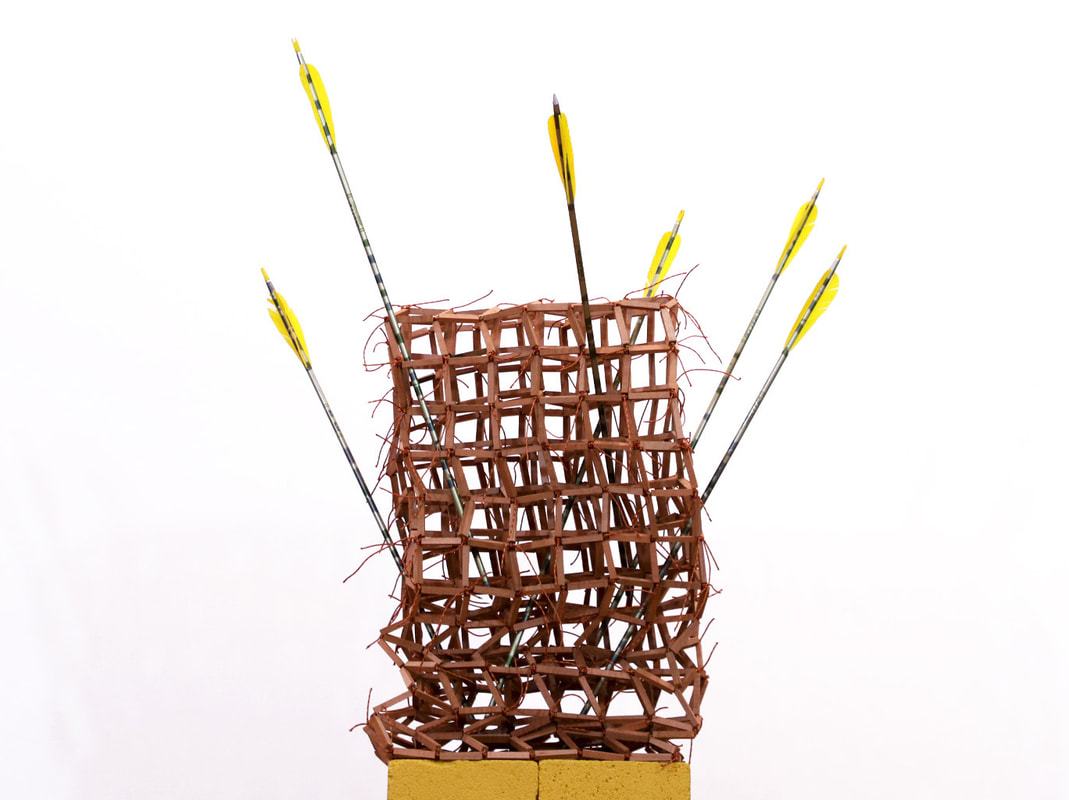
WOUND-MAN, 2023
|
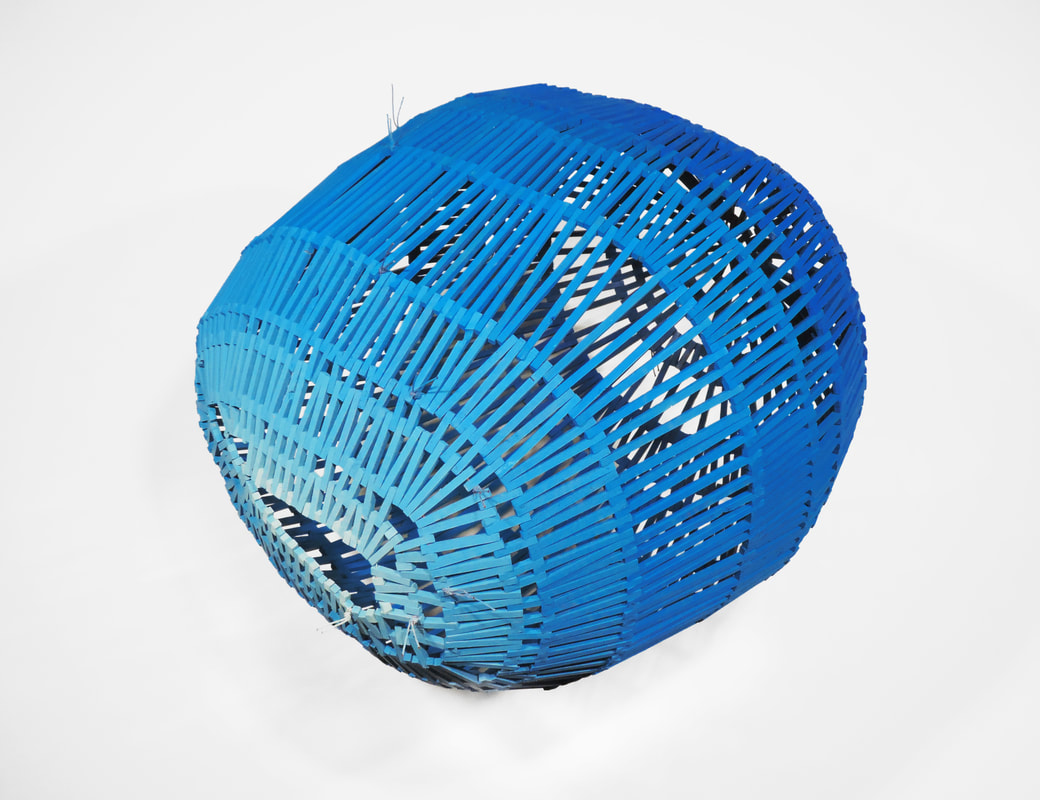
ORB APPEARED IN THE SKY, INTO ORBIT AROUND ME, A DROP, A WAVE, THE SHAPE OF LONGING, 2023
|
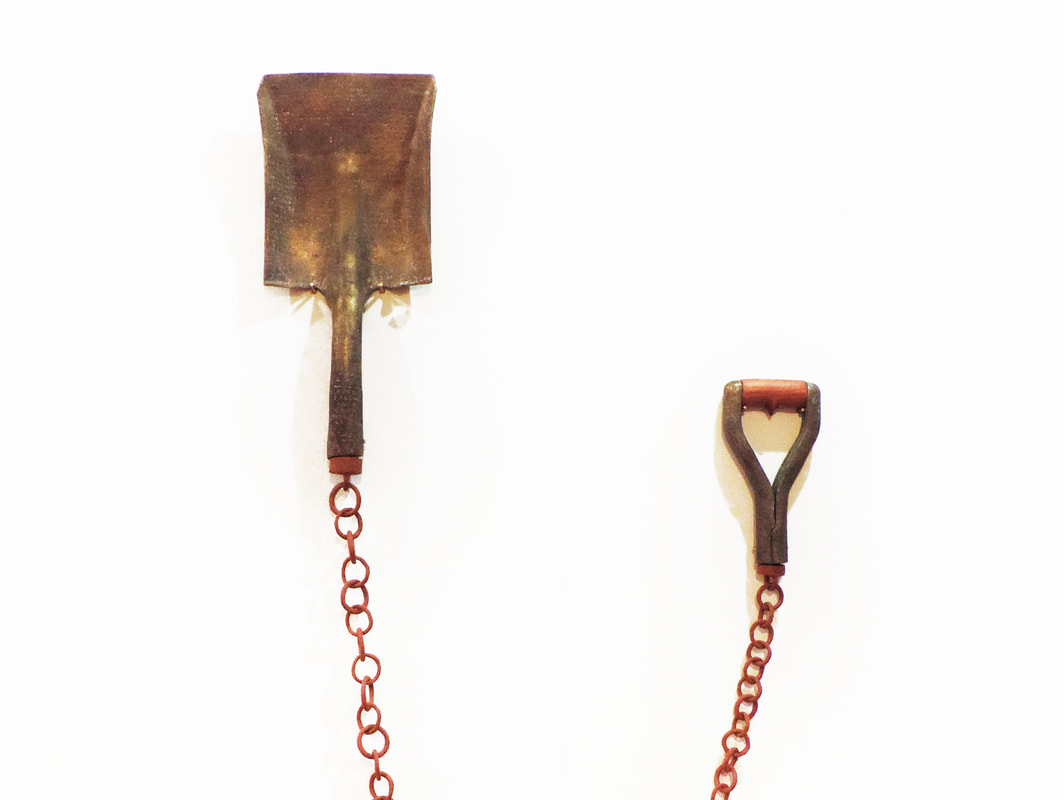
LOOSELY OR TIGHTLY EVERYTHING FITS, EVEN THE WRIST TO THE ARM, 2023
|
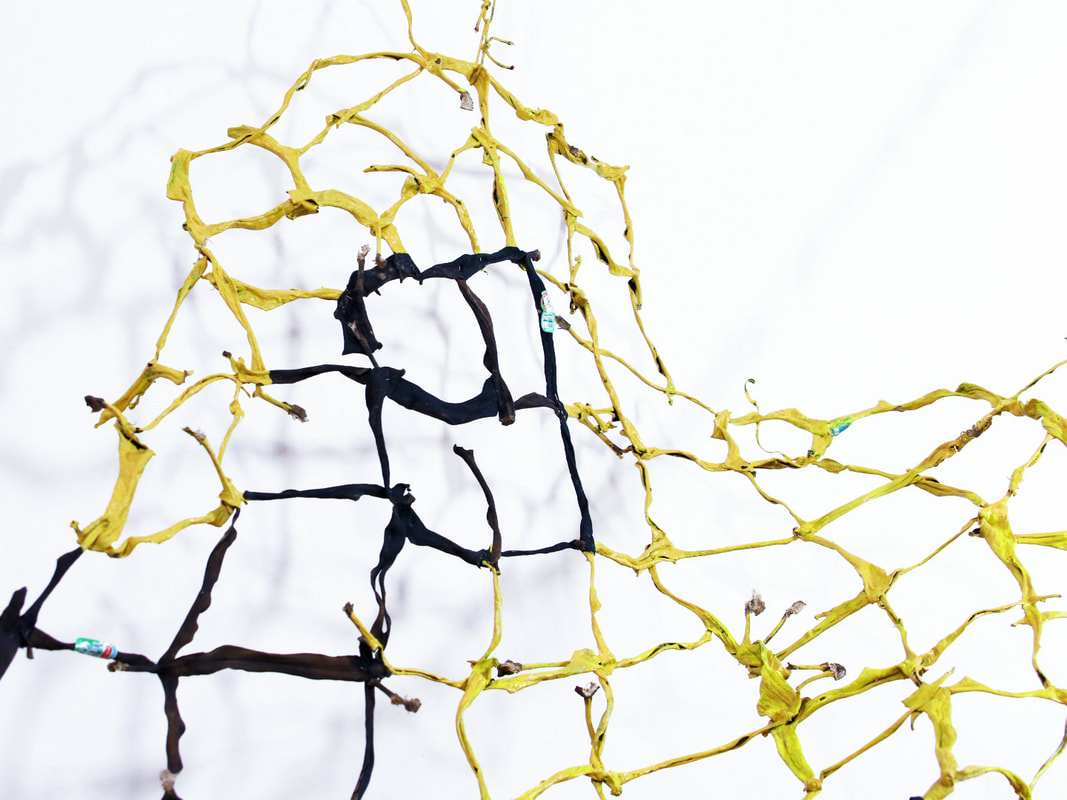
WHEN THINGS FALL APART, 2023
|
2022
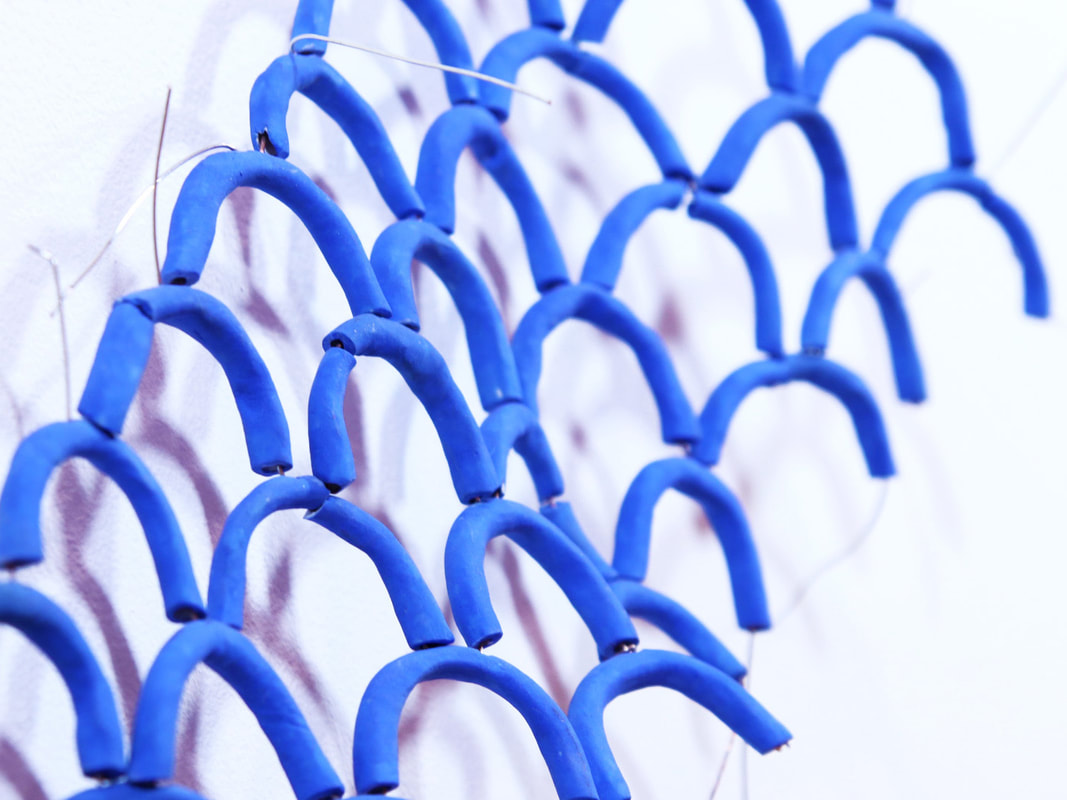
THE HEAD IS IN THE WATER BUT THE FACE DOESN'T GET WET, 2022
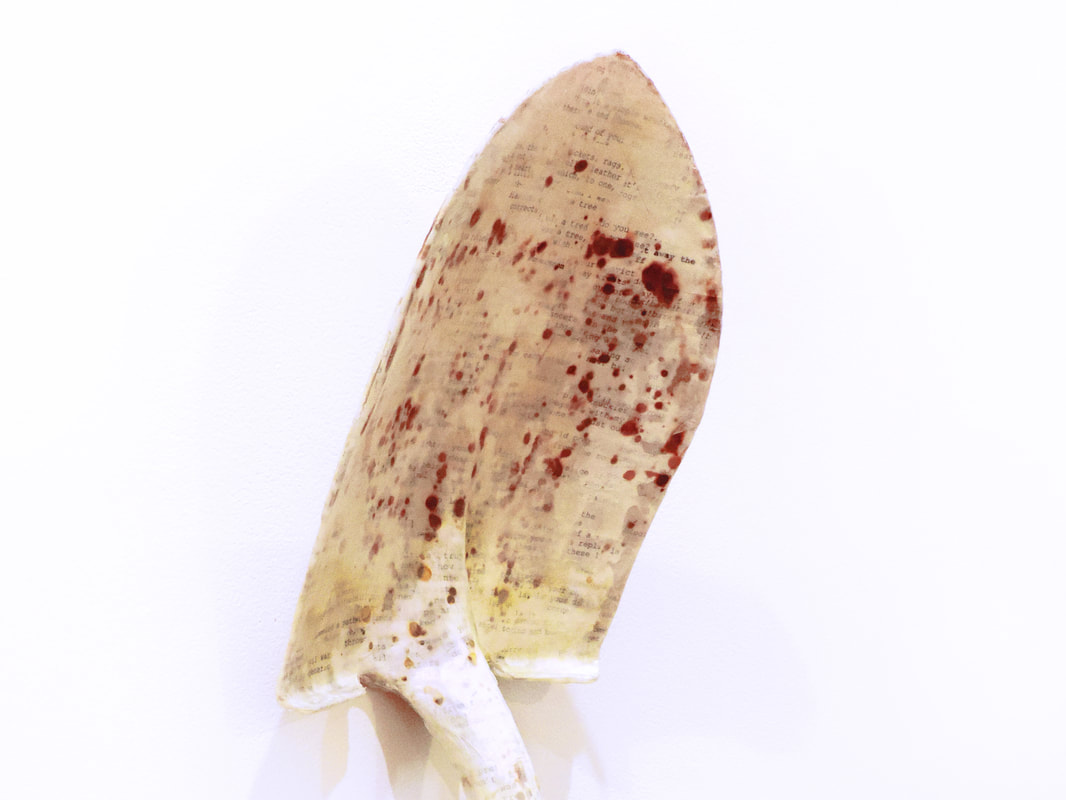
HOW TO MAKE A SNOW ANGEL, 2022
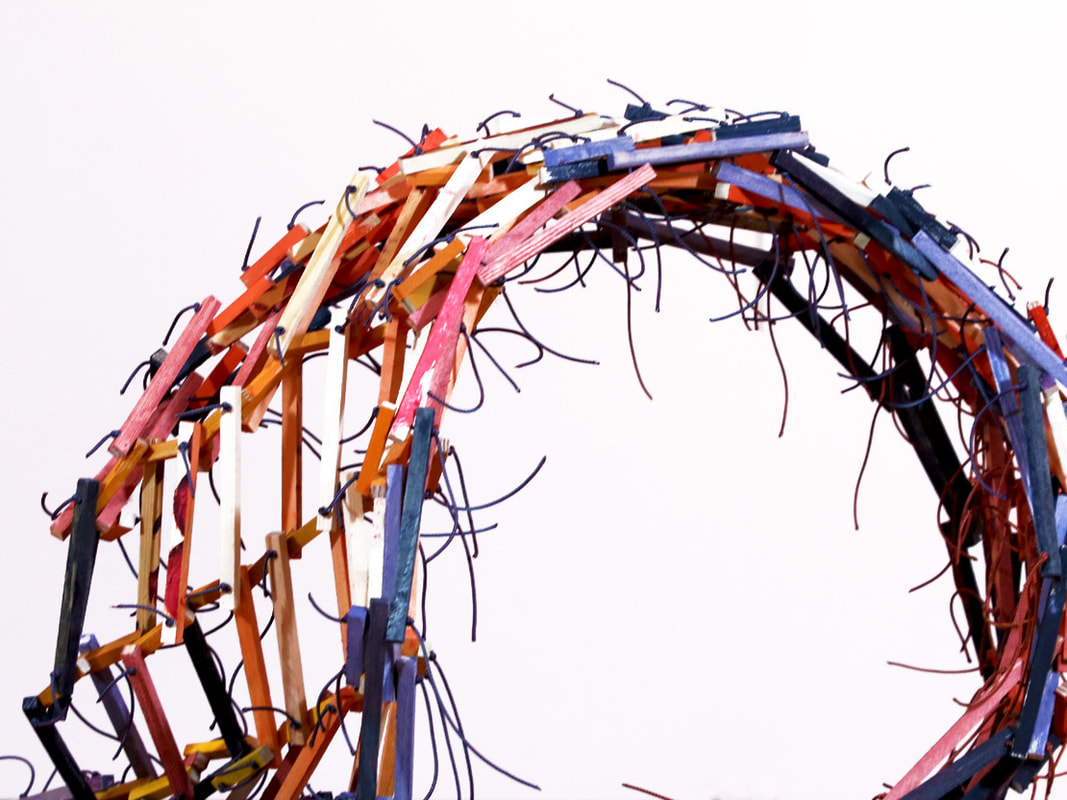
CARVING A SPACE FOR THE EARTH TO TREMBLE, 2022
|
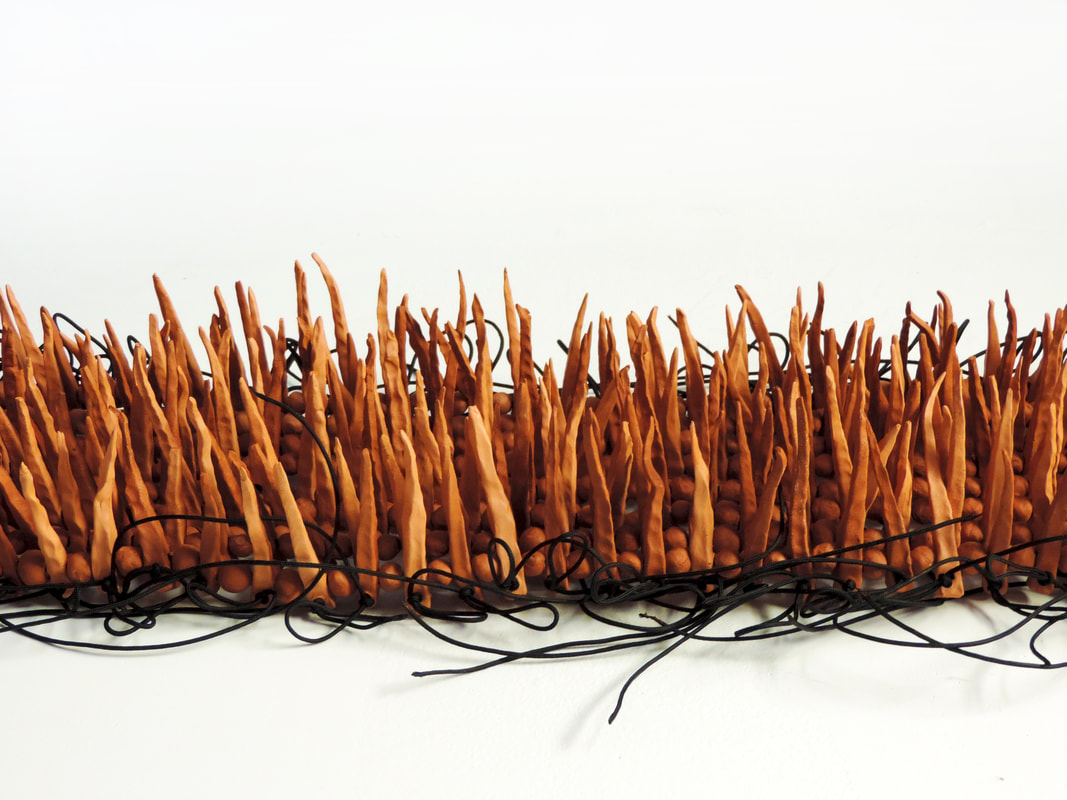
ROUGH TRAVEL FOR A RARE THING, 2022
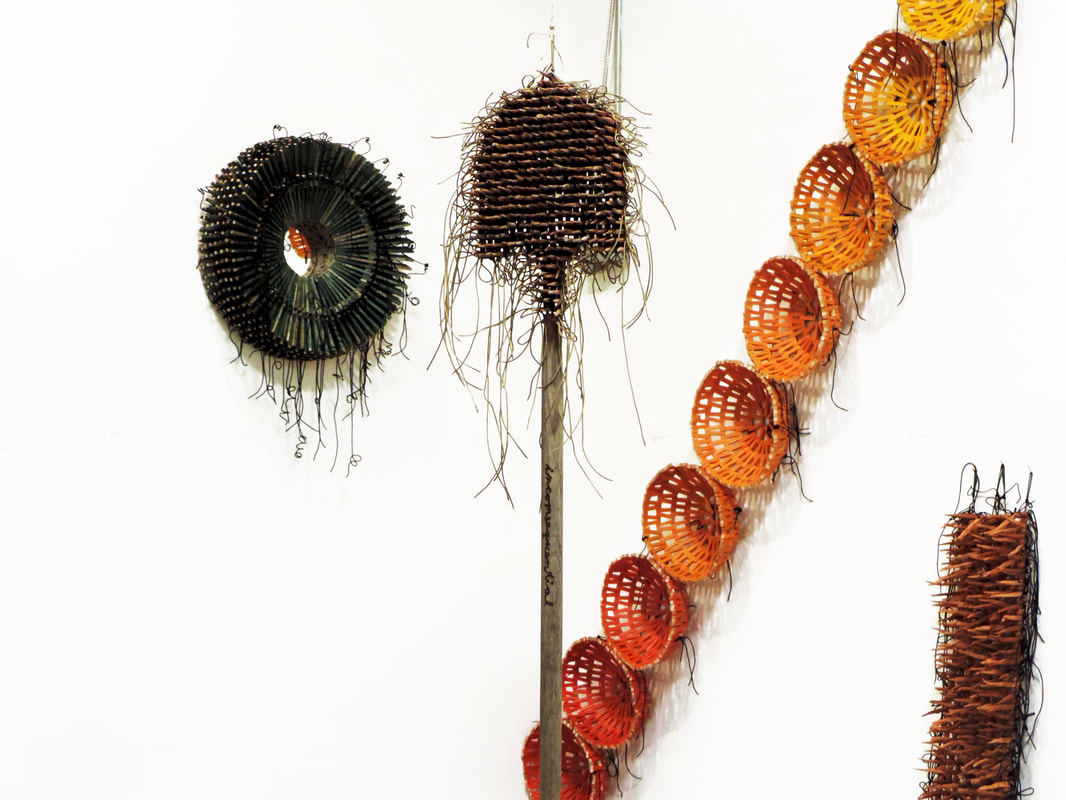
THIS IS WHAT THE BODY DOES, 2021
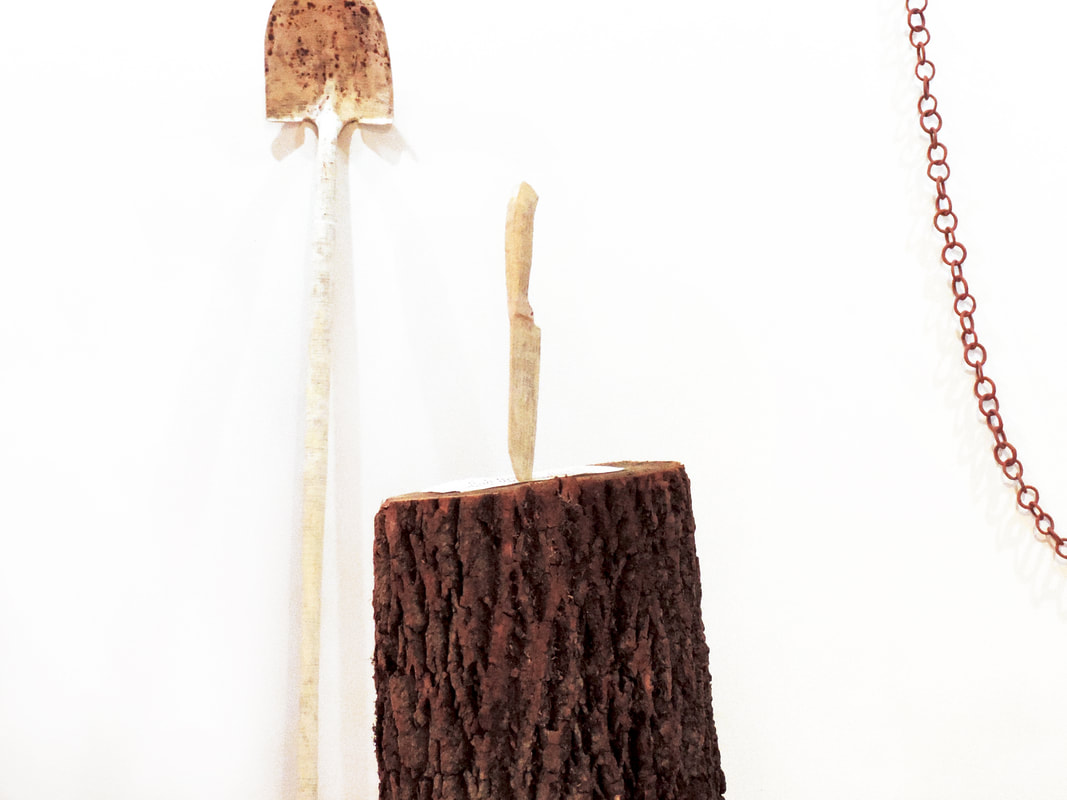
THIS IS HOW TO THE WORLD WILL END, 2022
|
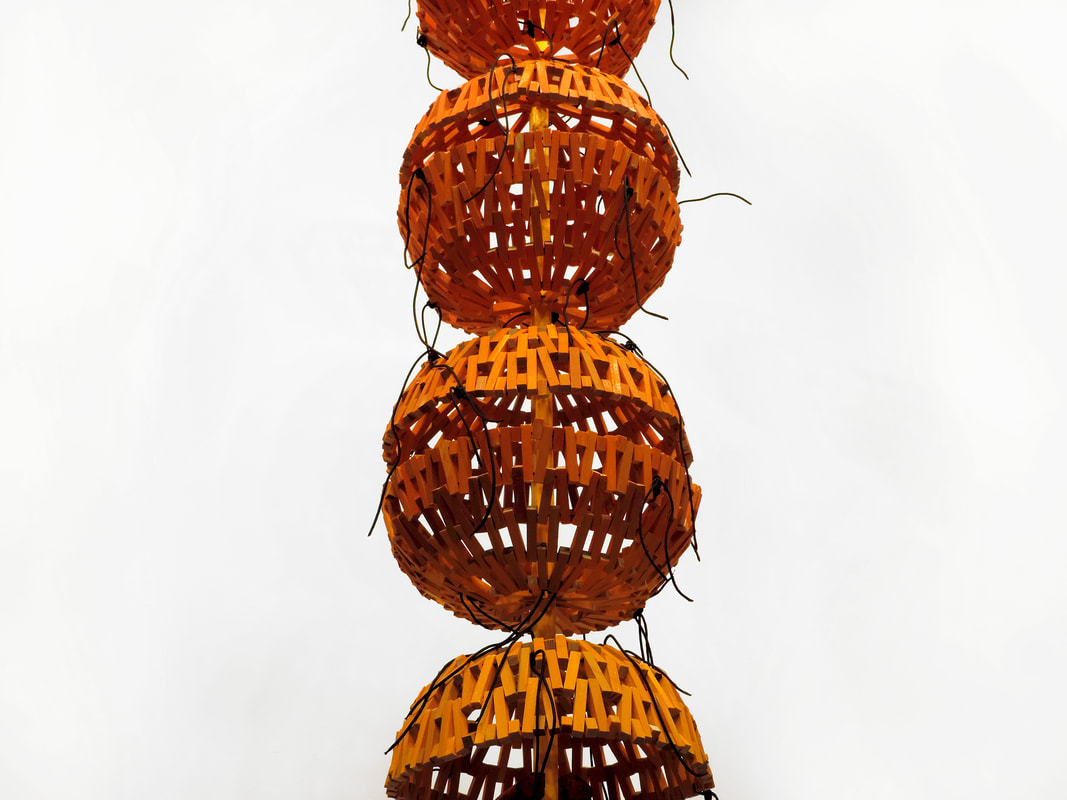
EMPTY VESSELS MAKE THE LOUDEST SOUND, 2022
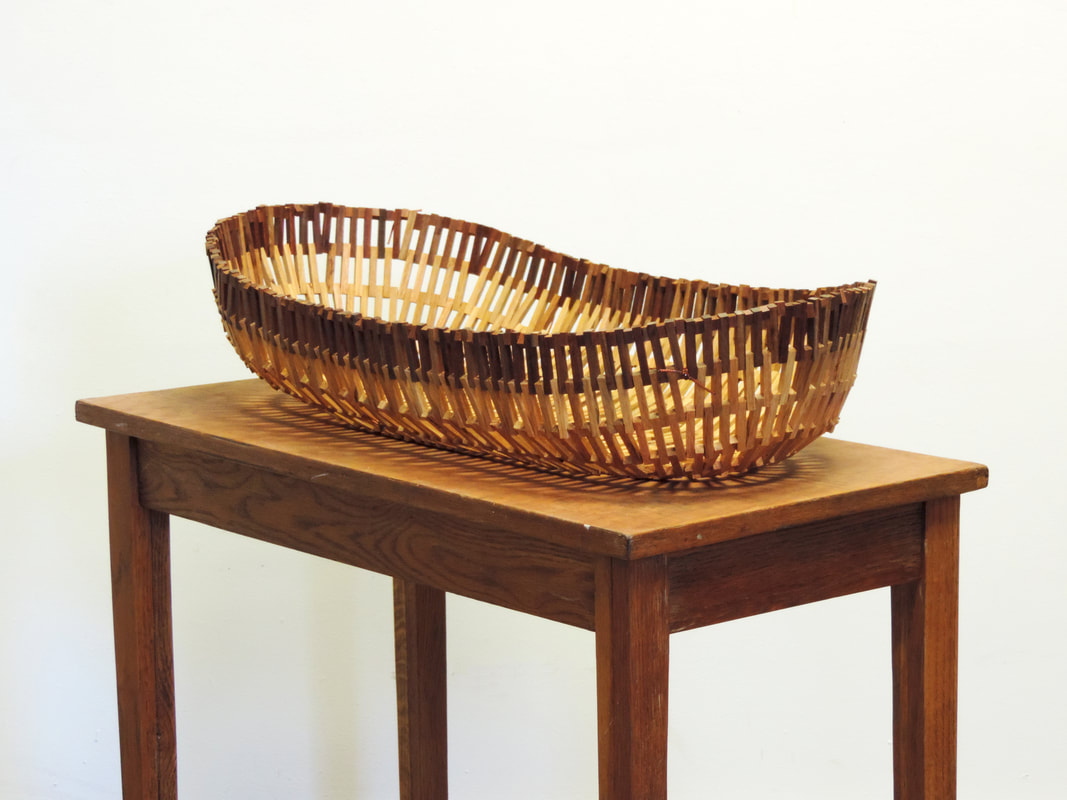
BASSINET, 2022
|
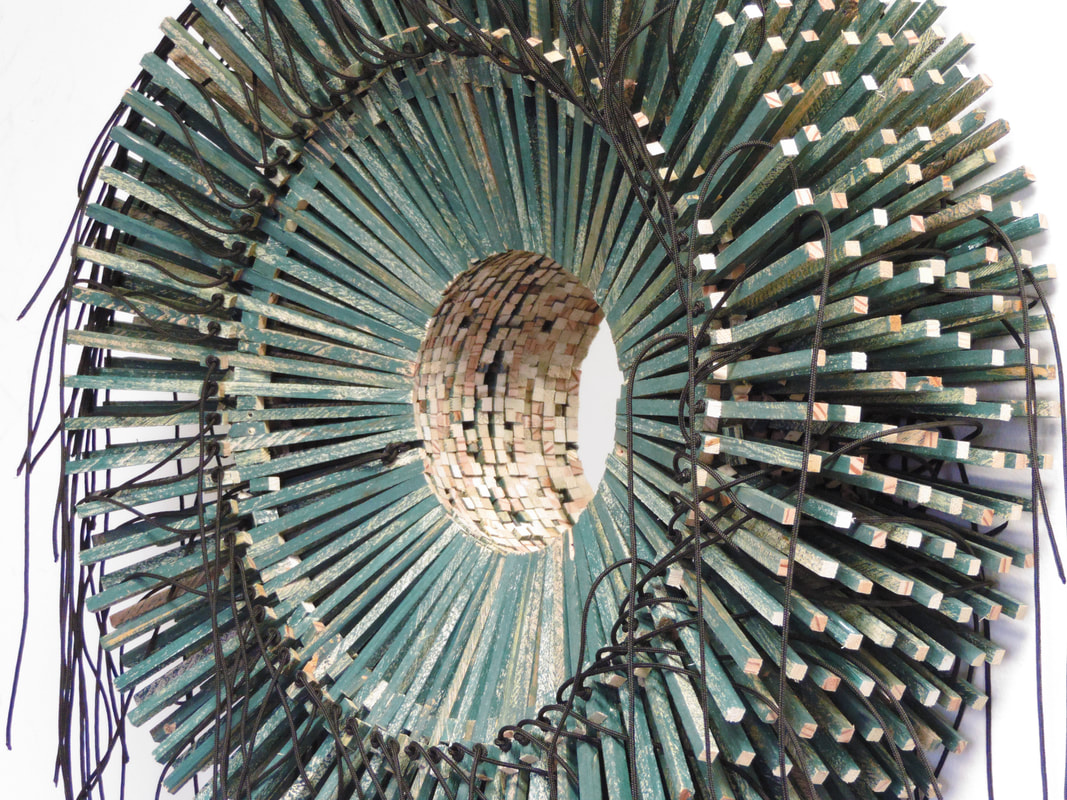
EEYYEEBBAALLLL, 2022
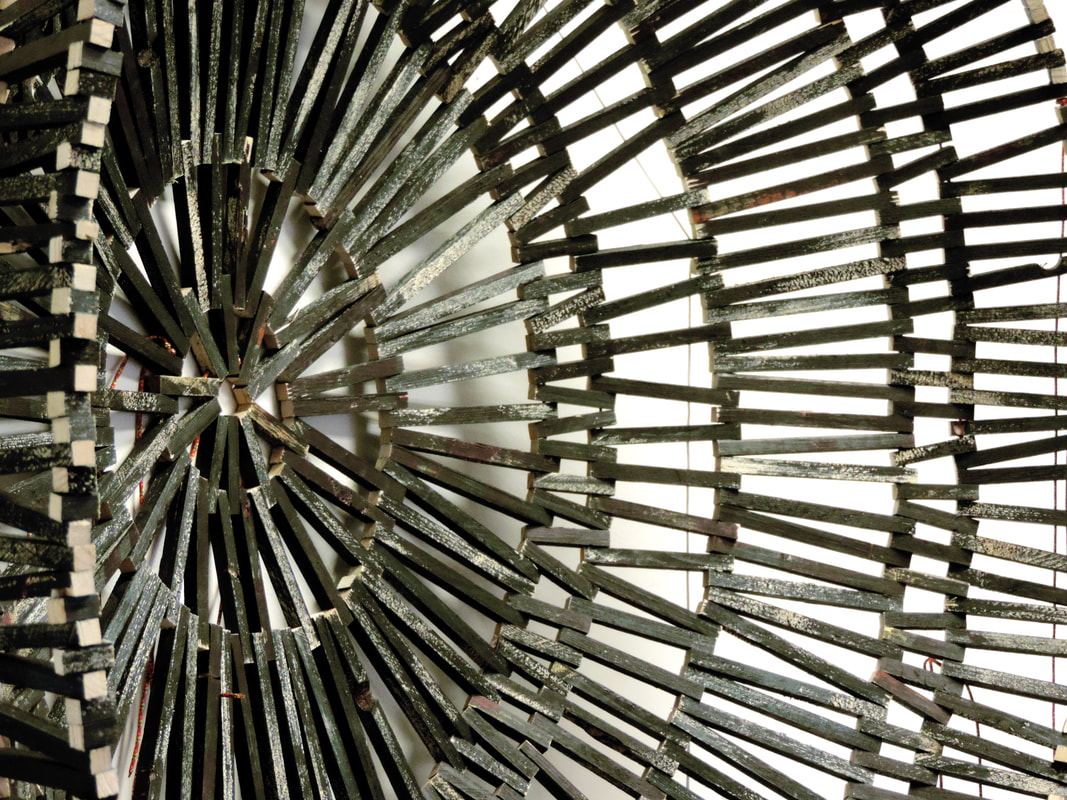
HOLLOW, HHOOLLLLOOWW, NOT EMPTY, 2022
|
2021
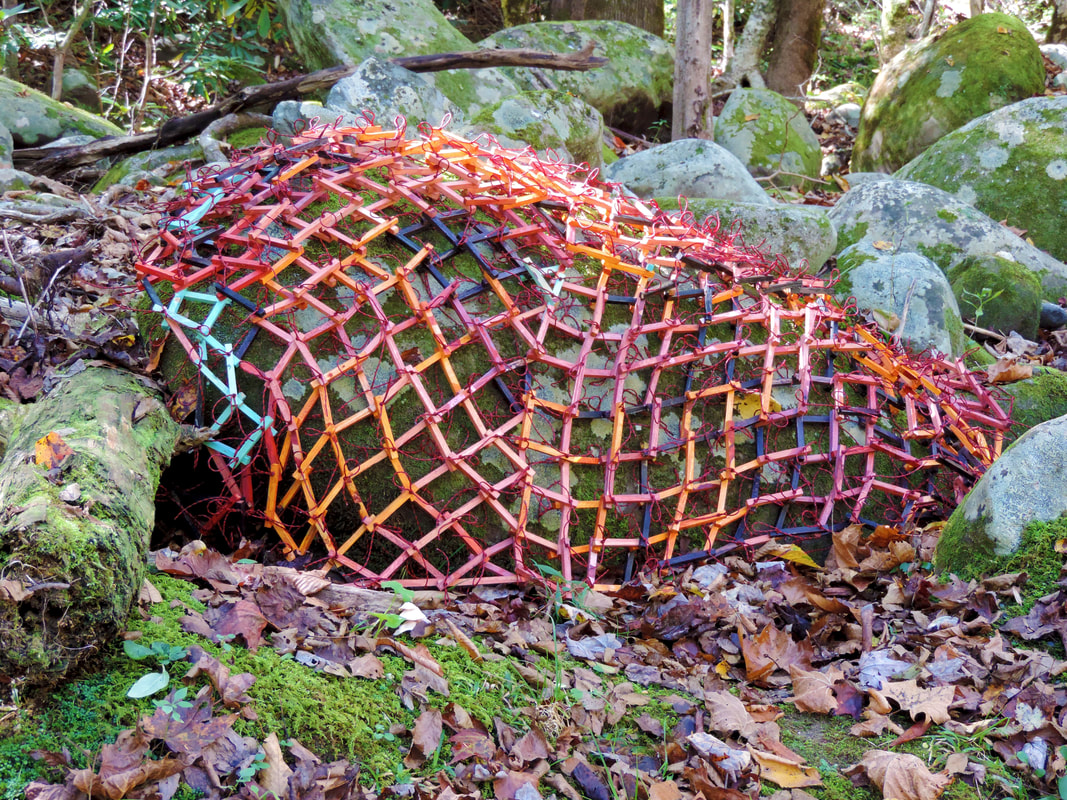
GONE FISHIN', 2021
|
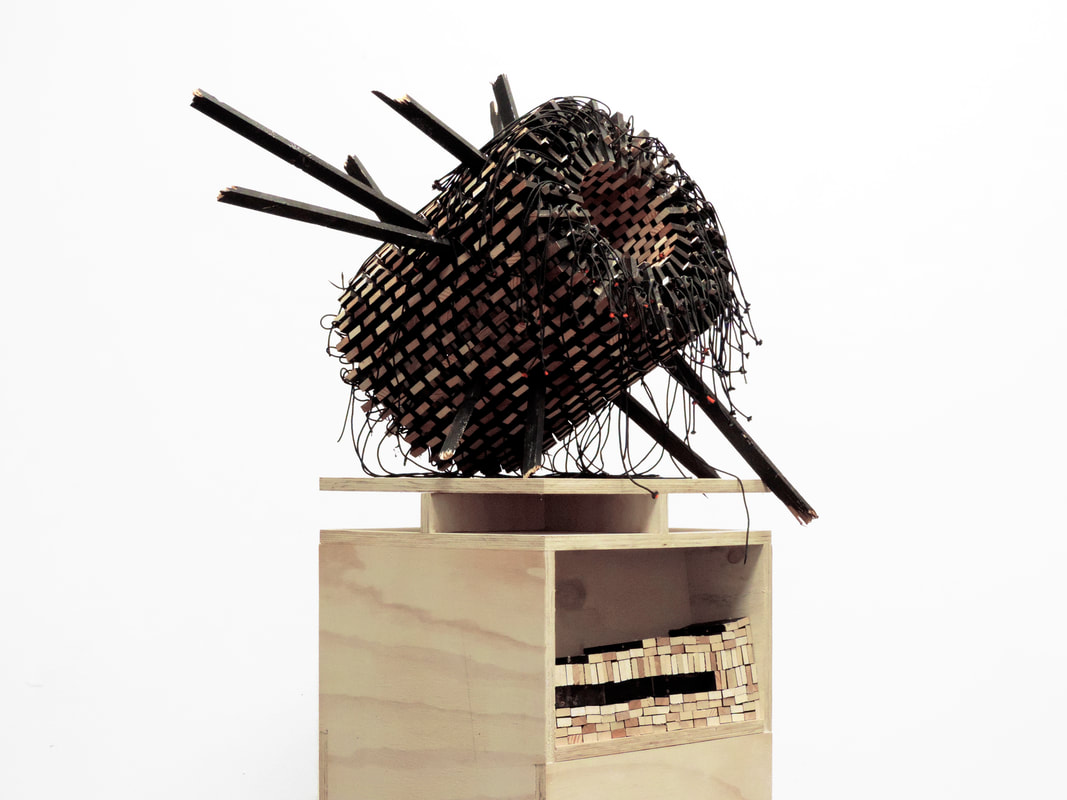
HELL BUCKET, 2021
|
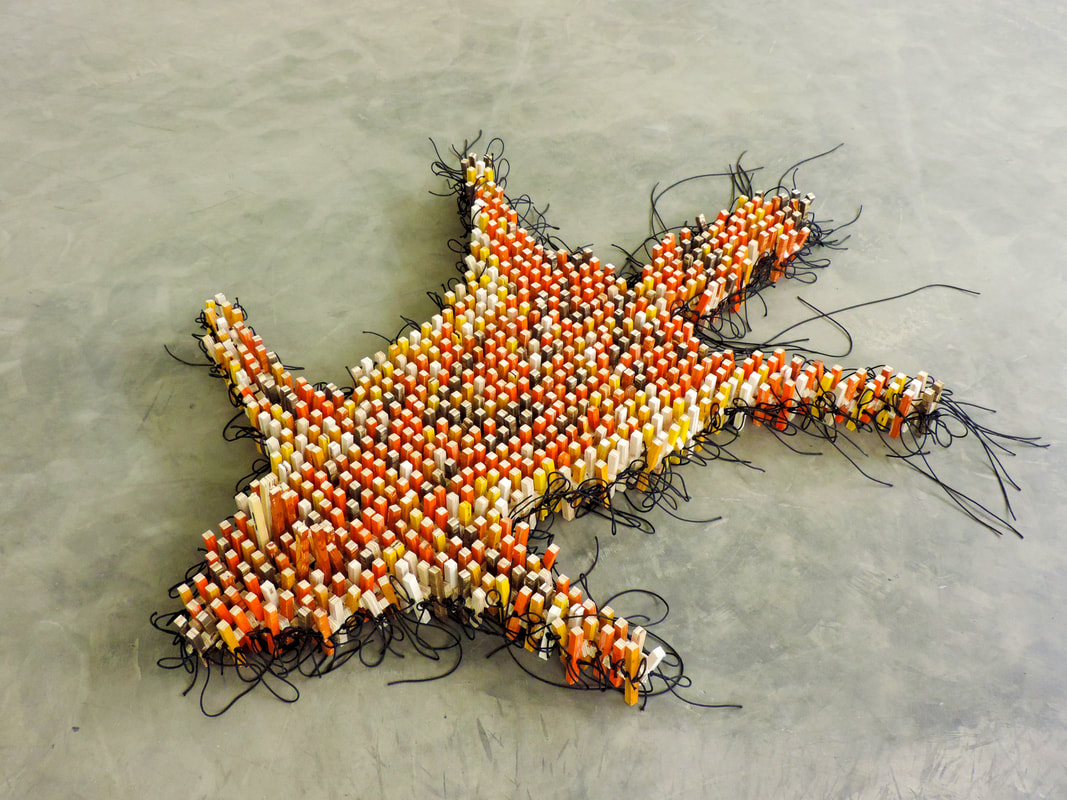
GIMME SOME SKIN, 2021
|
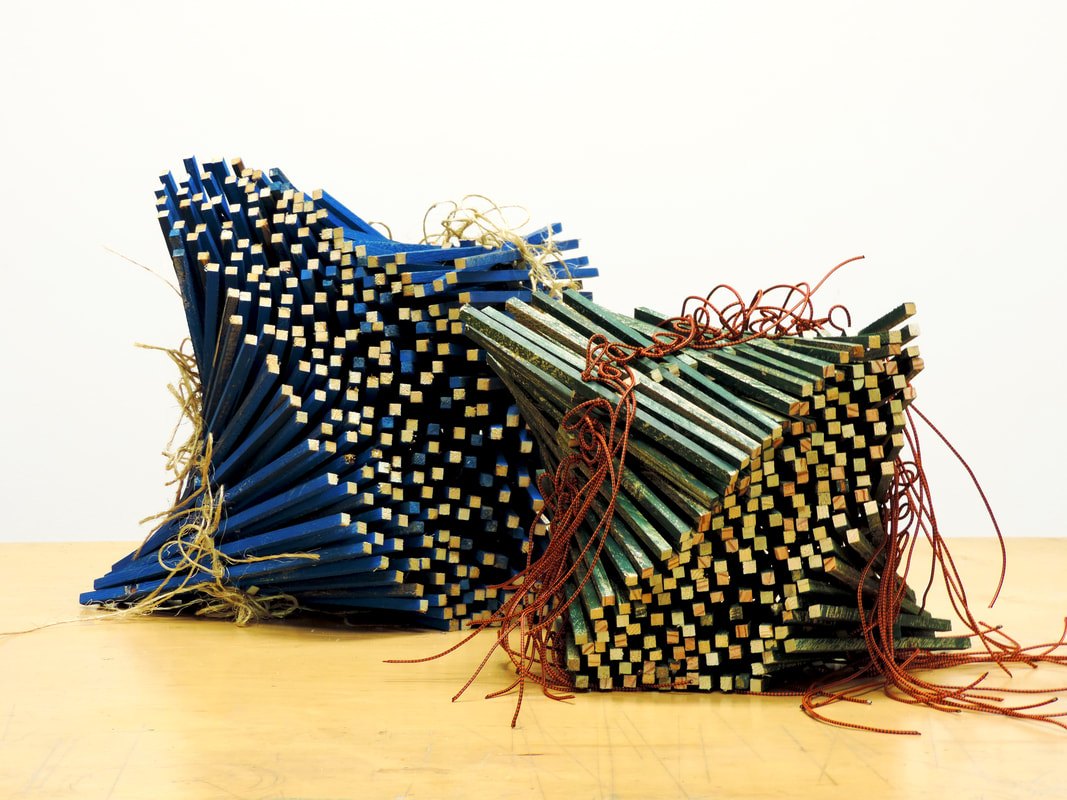
WHEN I AM AMONG THE TREES, 2021
|
2020
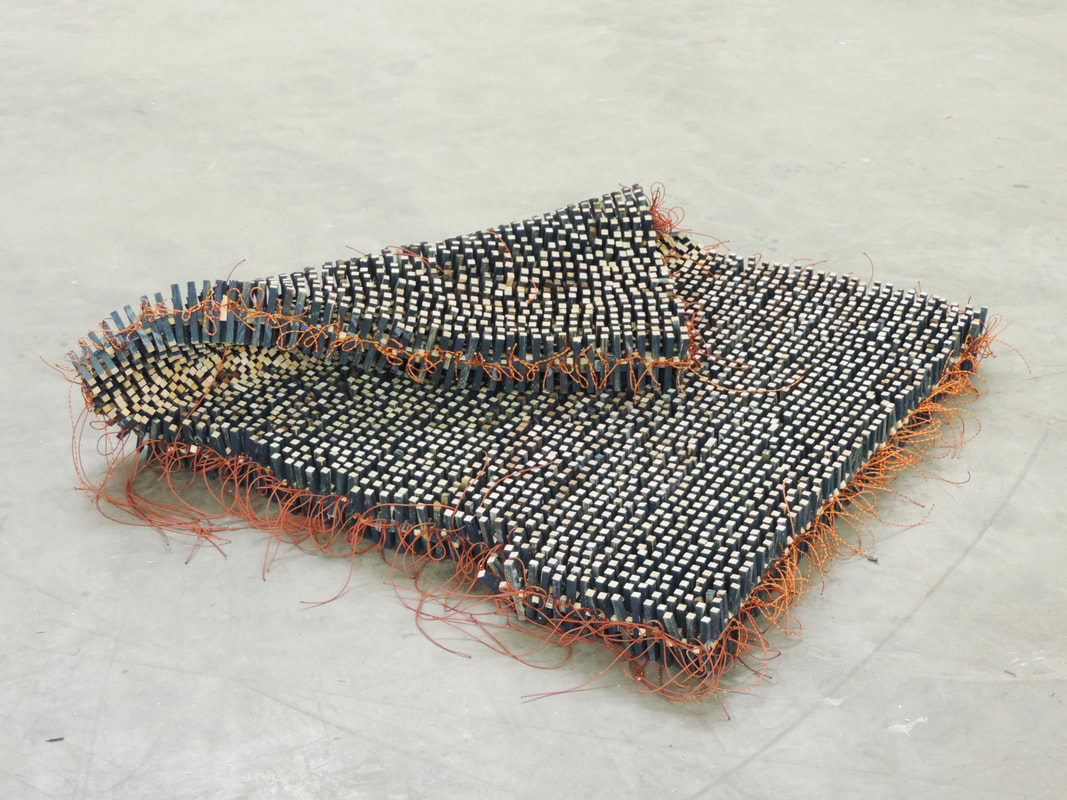
THIS RIVER BENEATH THE RIVER, 2020
|
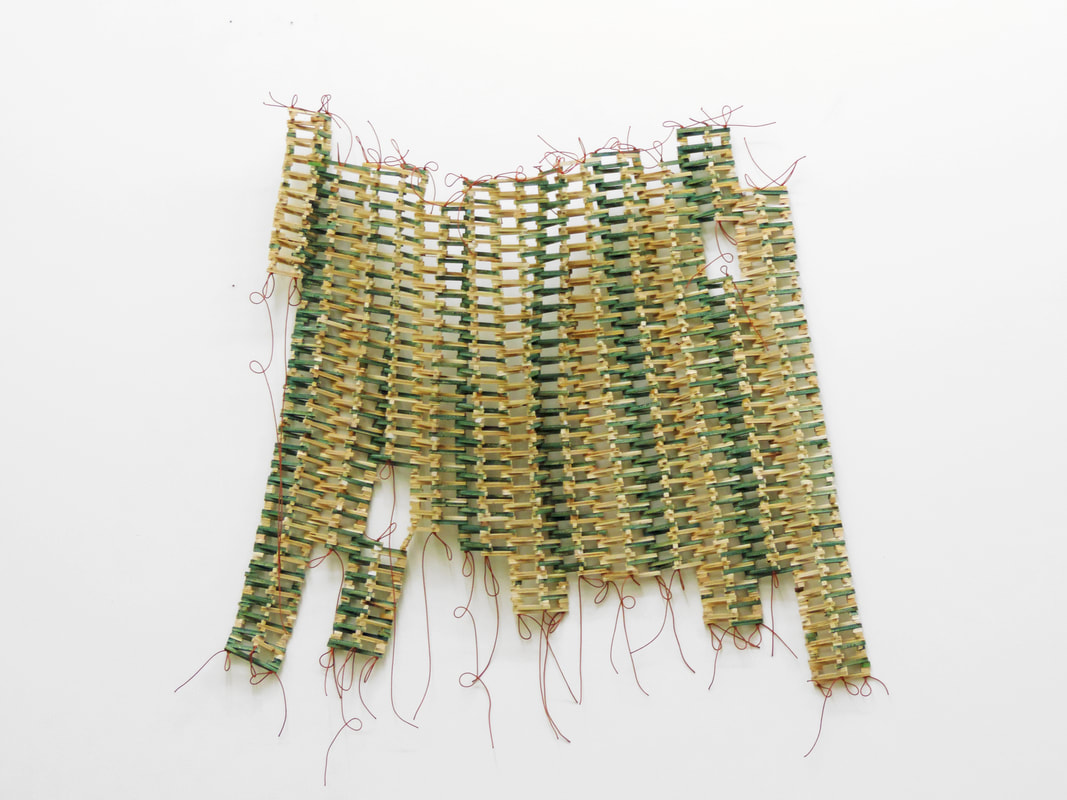
MAGNOLIA, 2020
|
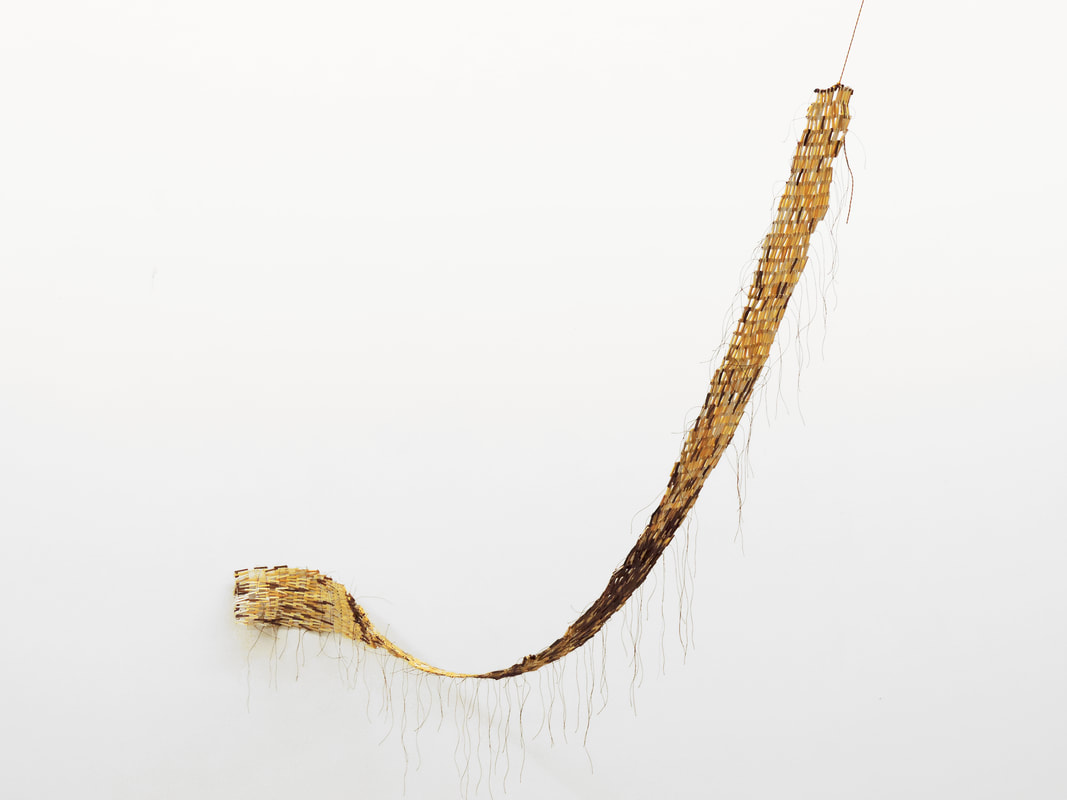
BARK!, 2020
|
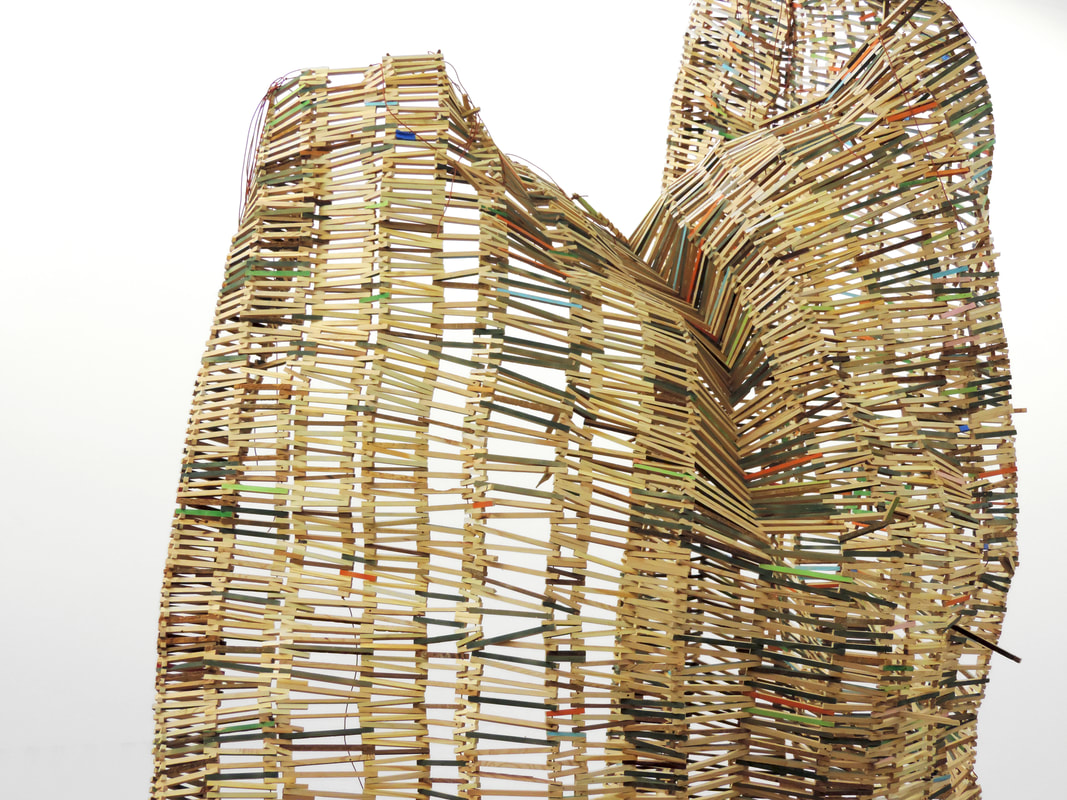
IN THE SHELTER OF THE FOLD, 2020
|
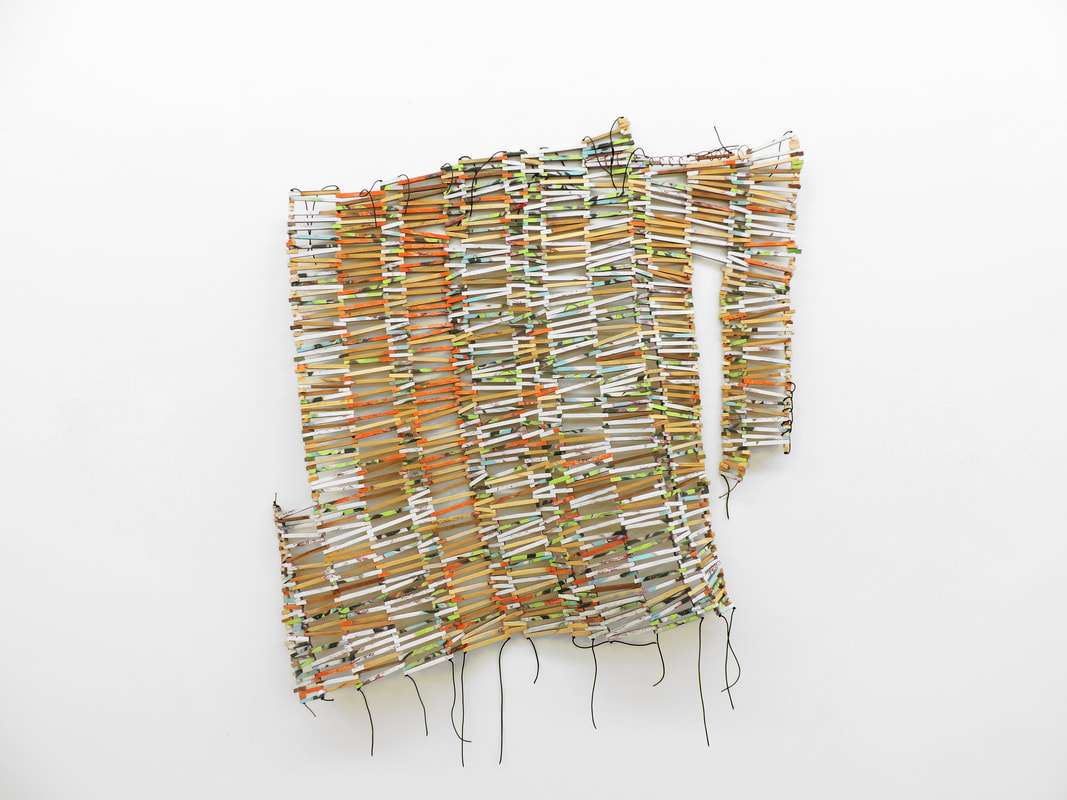
SWAN, 2020
|
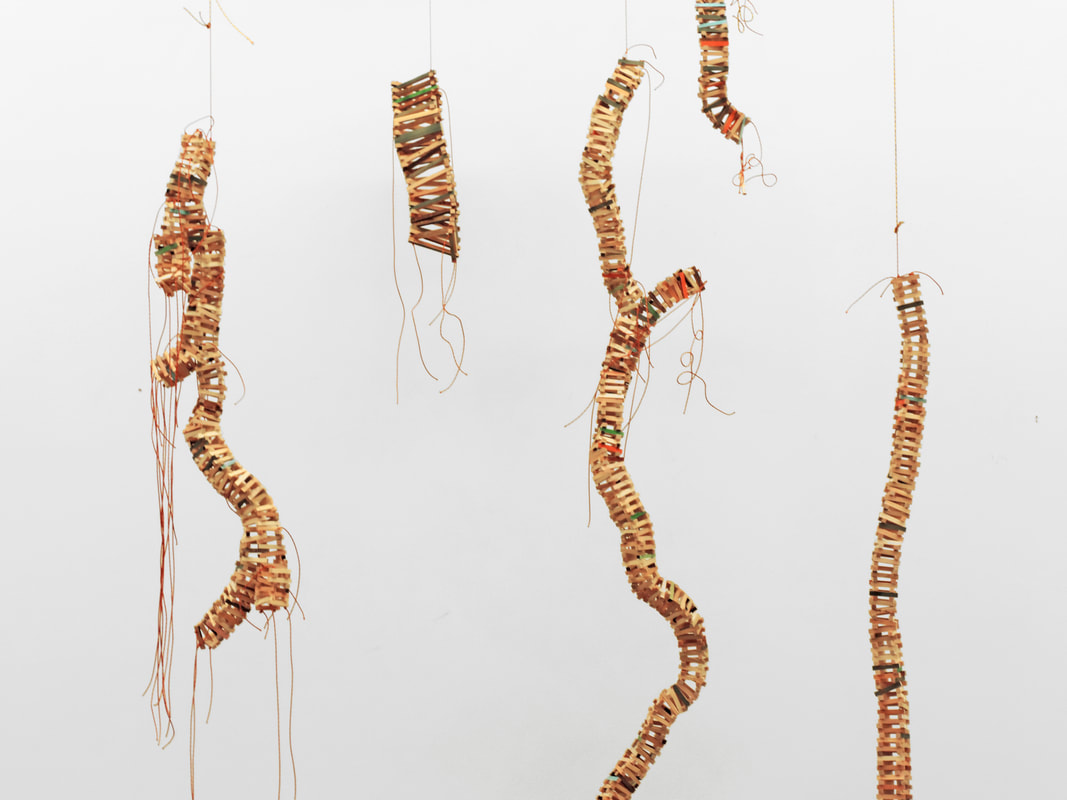
INVISIBLY RETURN / CONTINUUM OF GESTURES, 2020
|
2019
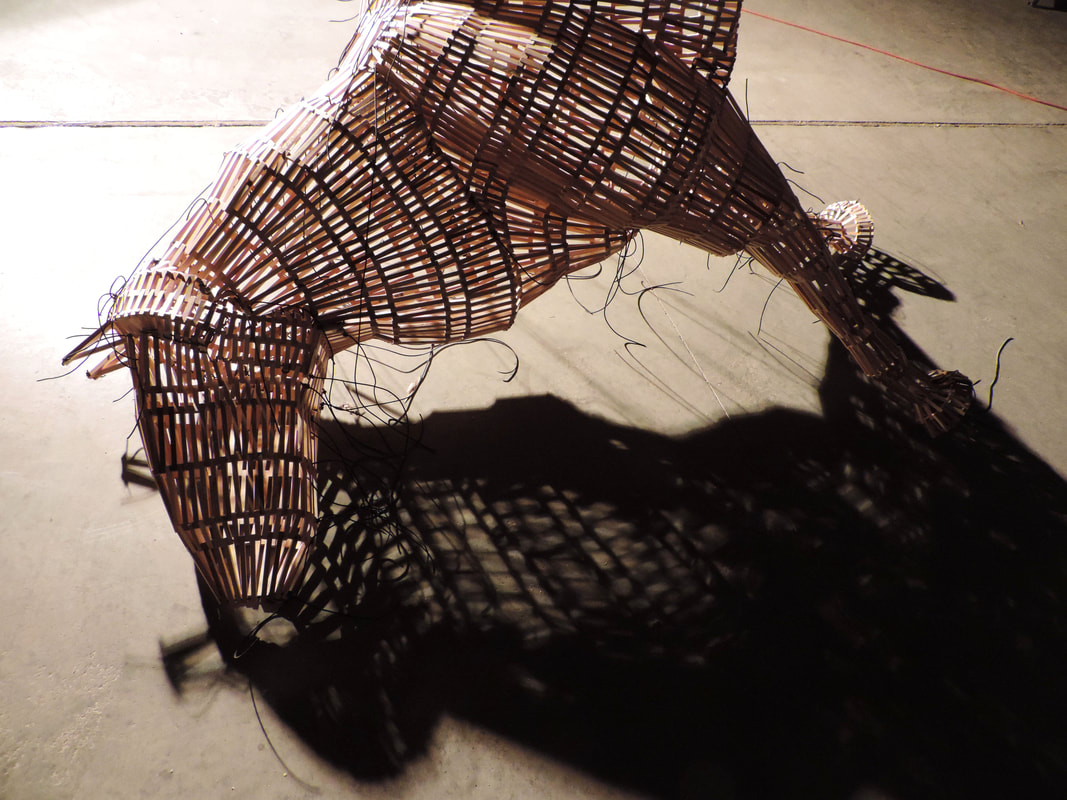
FOR WANT OF A NAIL, 2019
|
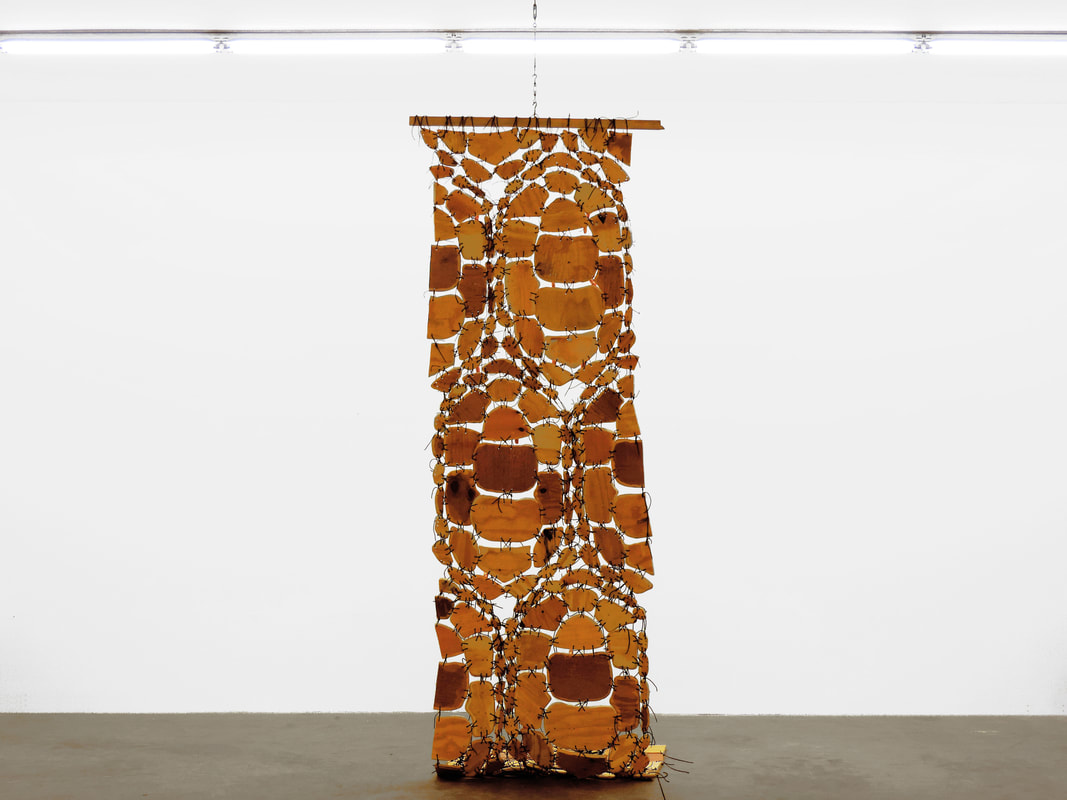
A GESTURE OF SURRENDER, 2019
|
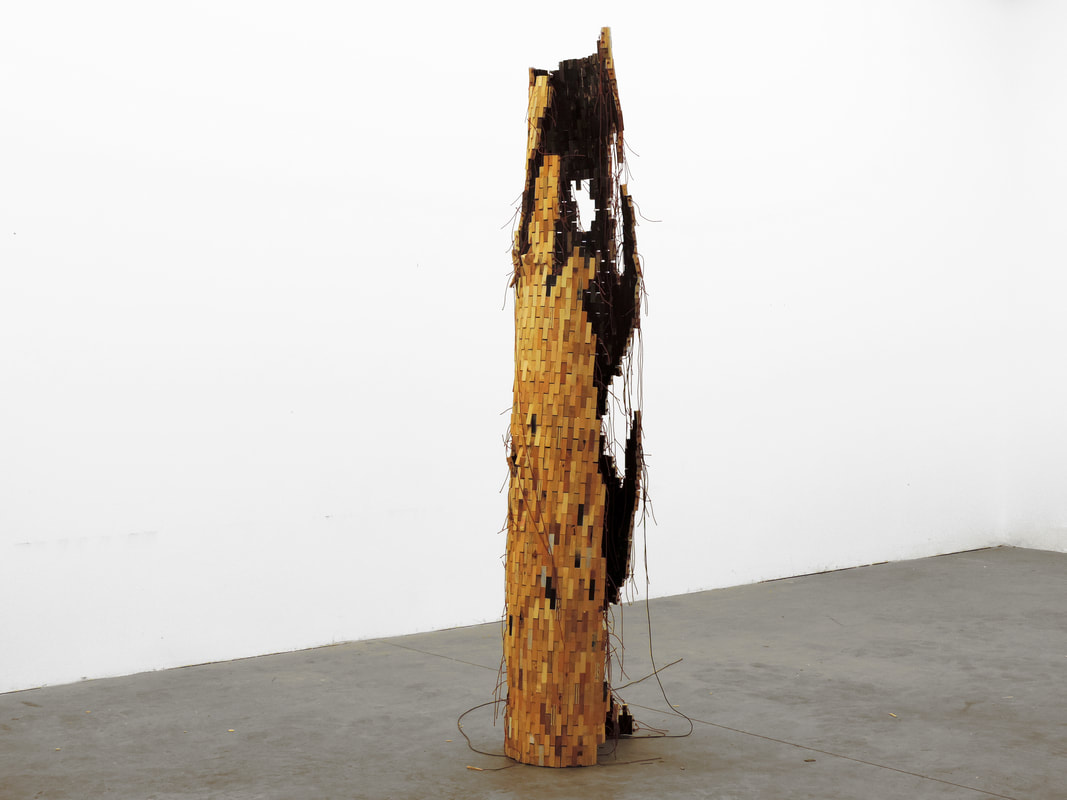
ADVERSARY! LIKE A ROARING LION SEEKING WHOM HE MAY DEVOUR, 2019
|
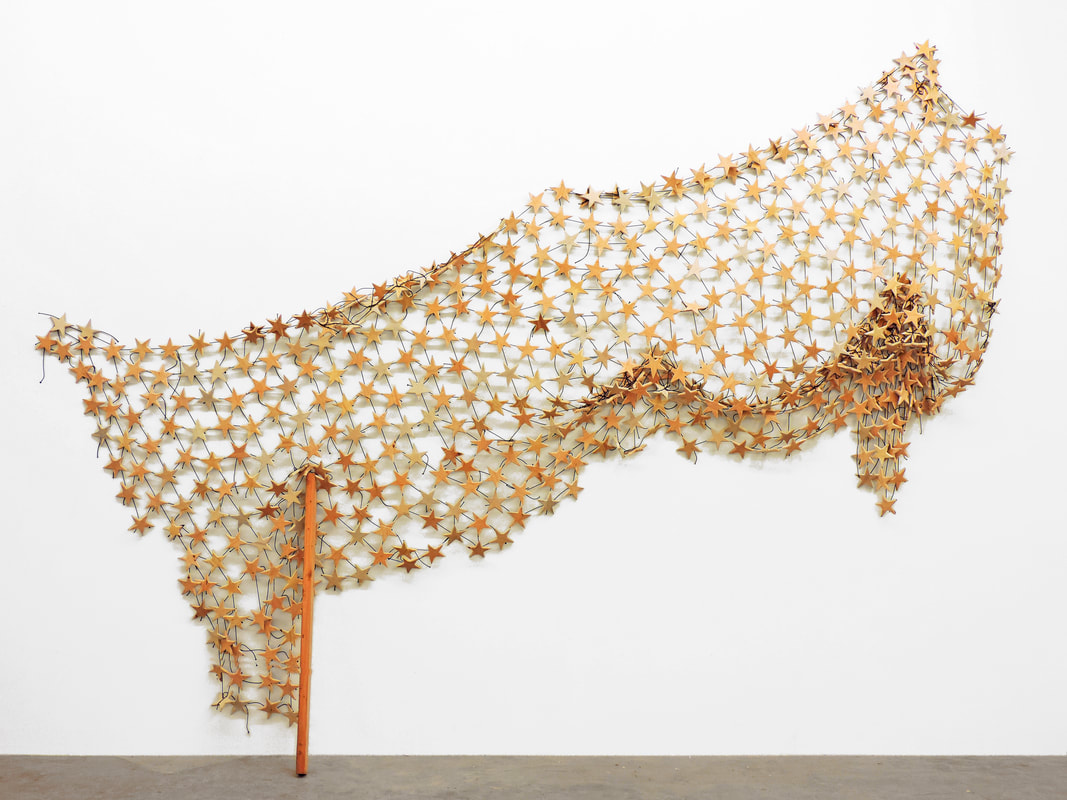
HEAVEN IS EMPTY, 2019
|
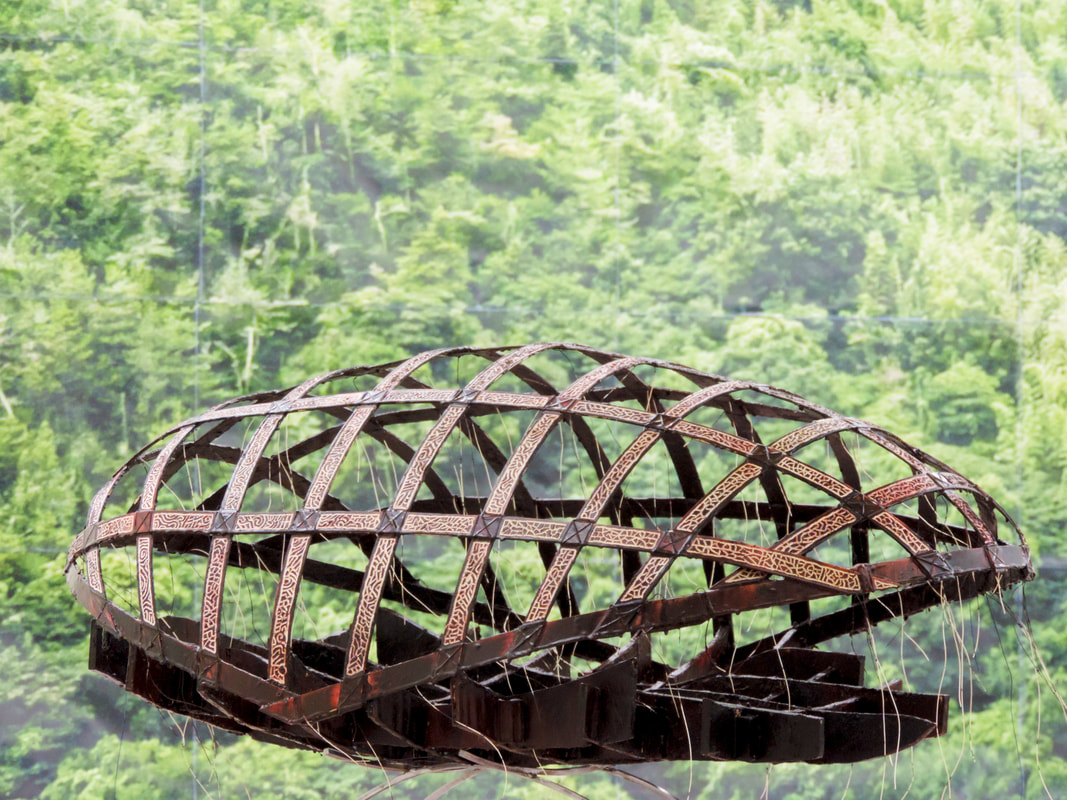
SOMETHING TOO BIG TO BE SEEN WAS PASSING OVER AND OVER ME, 2019
|
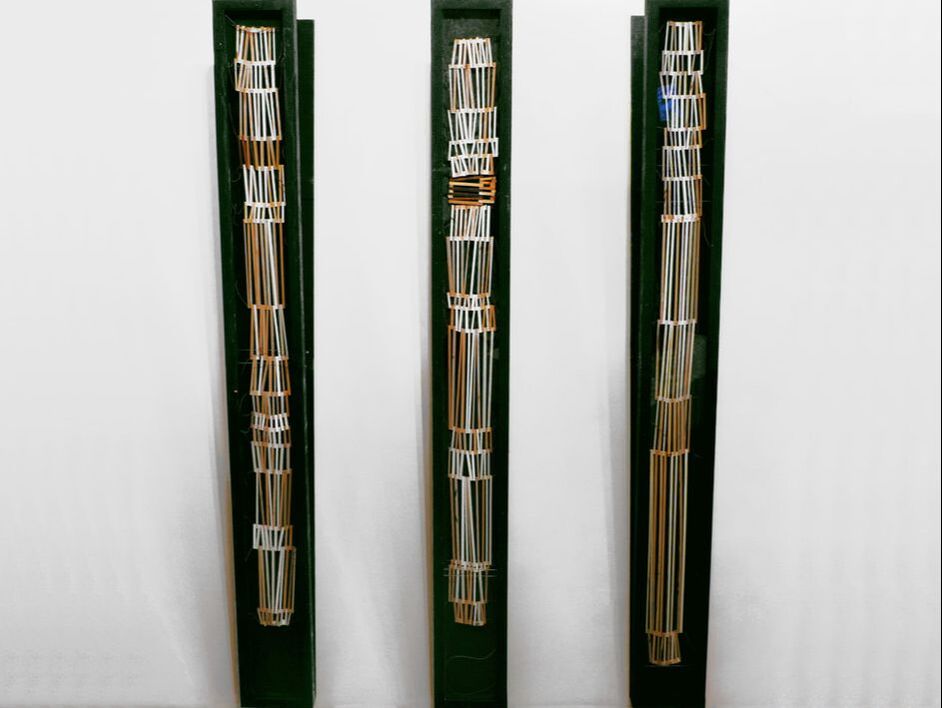
ONE TREE IS LIKE ANOTHER TREE, BUT NOT TOO MUCH, 2019
|
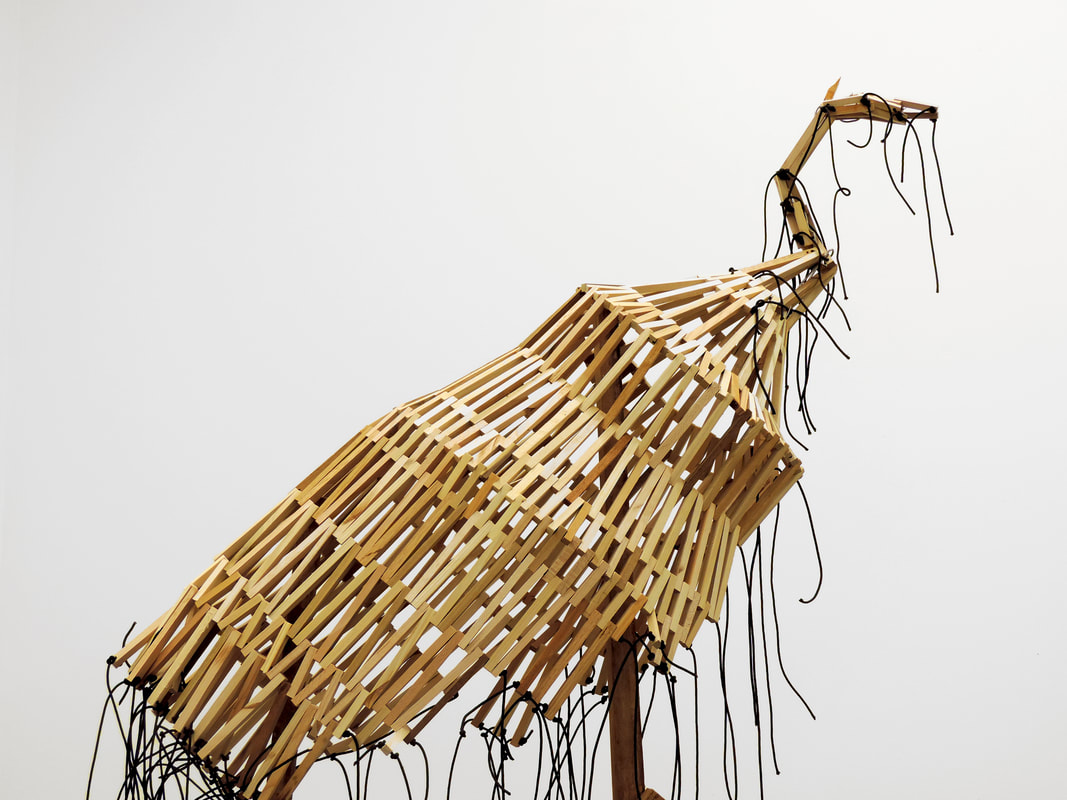
I WAS A TREE-GOD, 2019
|
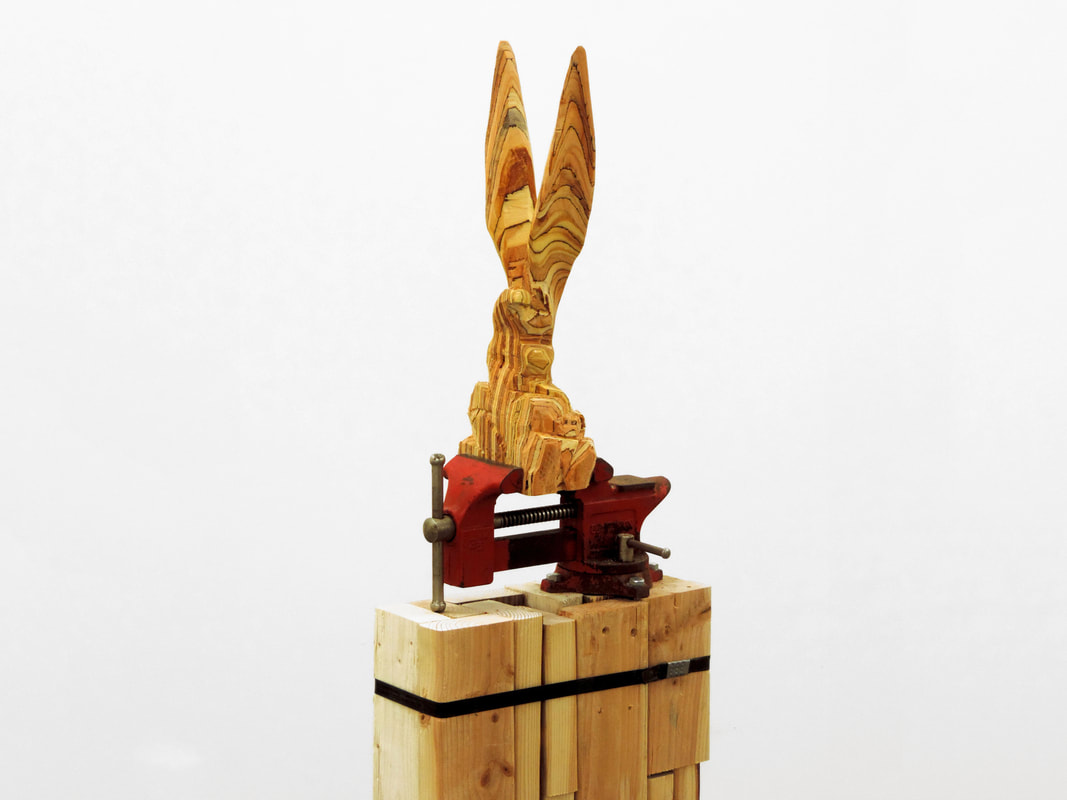
SOMETIMES I WISH WE WERE AN EAGLE, 2019
|
2018
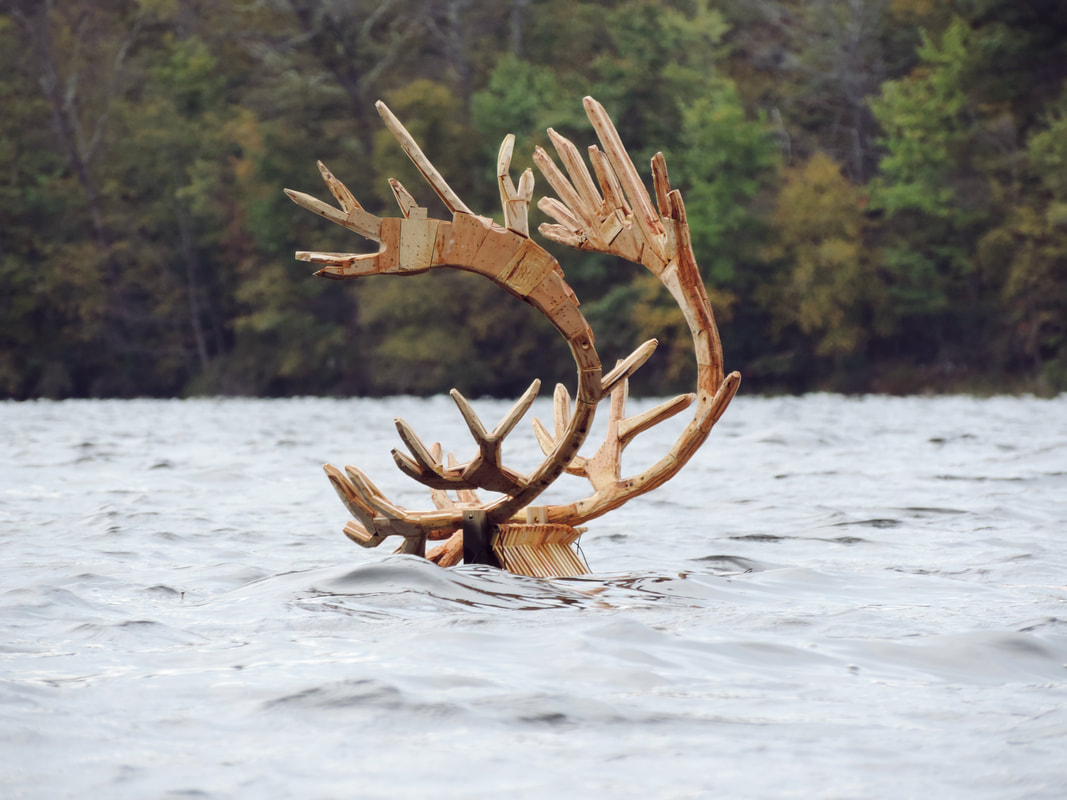
AND IN THE DISTANCE THE PASSING OF A GREAT BLACK CARIBOU, 2018
|
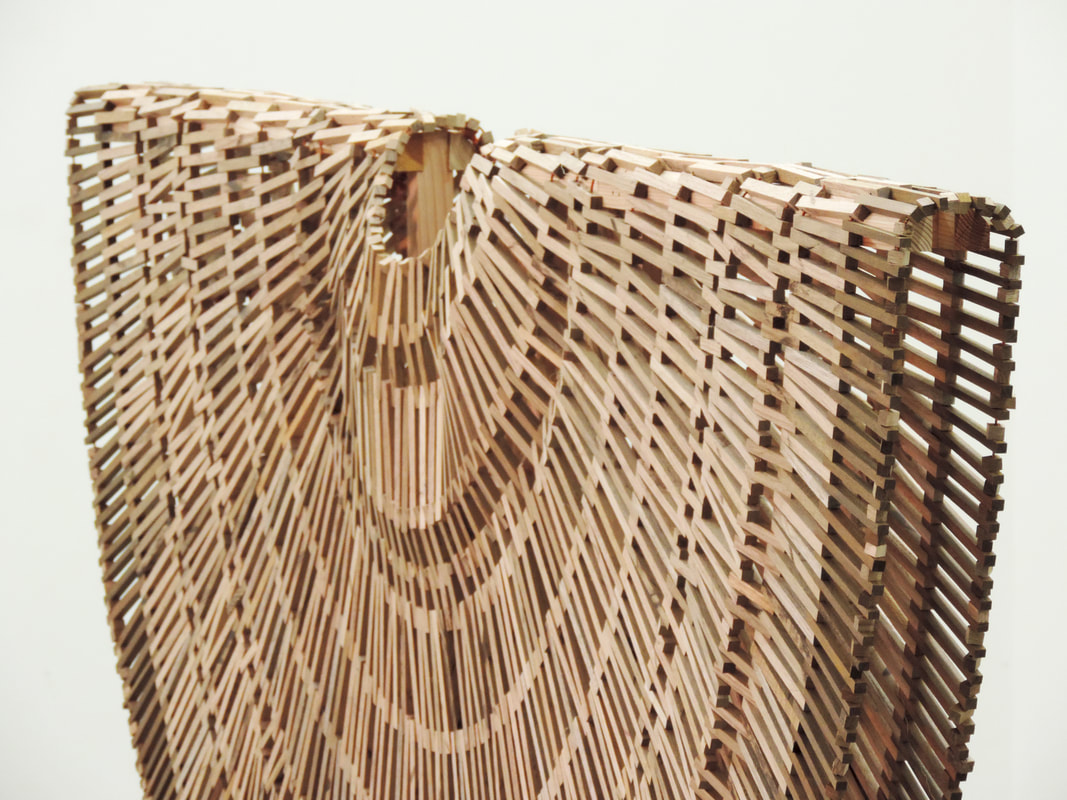
IT'S ONLY FOREVER, 2018
|
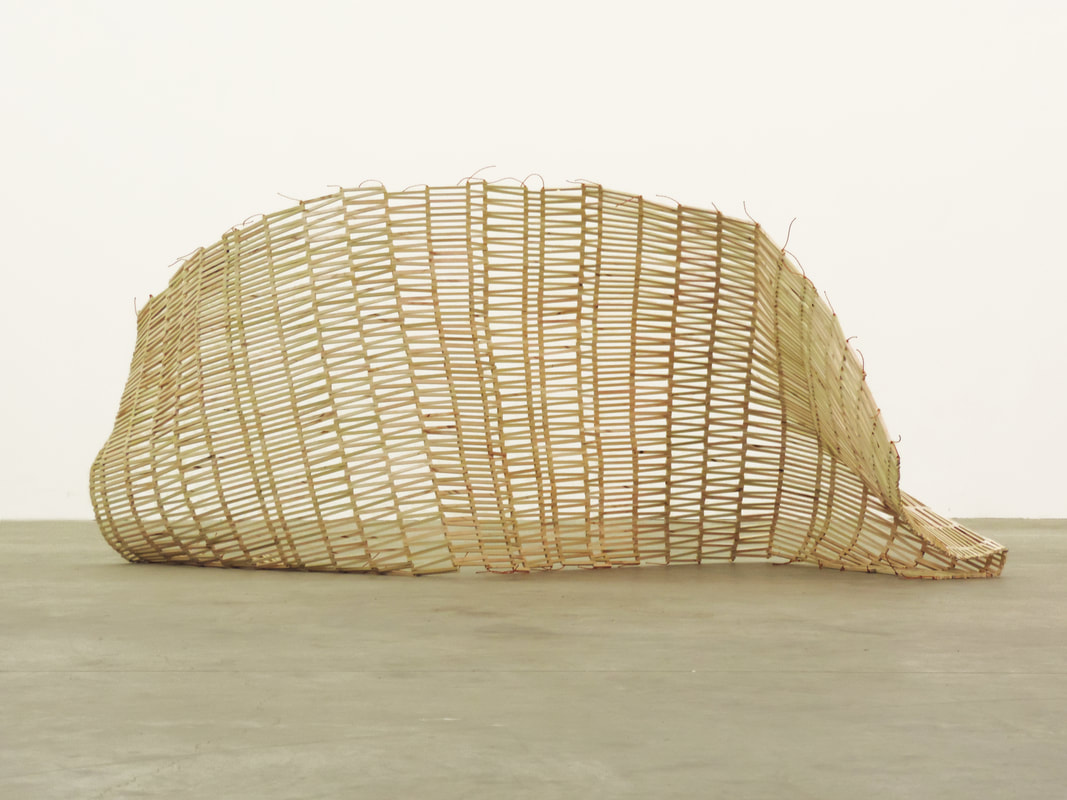
FEARLESSLY NOD AWAY / SEE THE FOREST FOR THE TREES, 2018
|
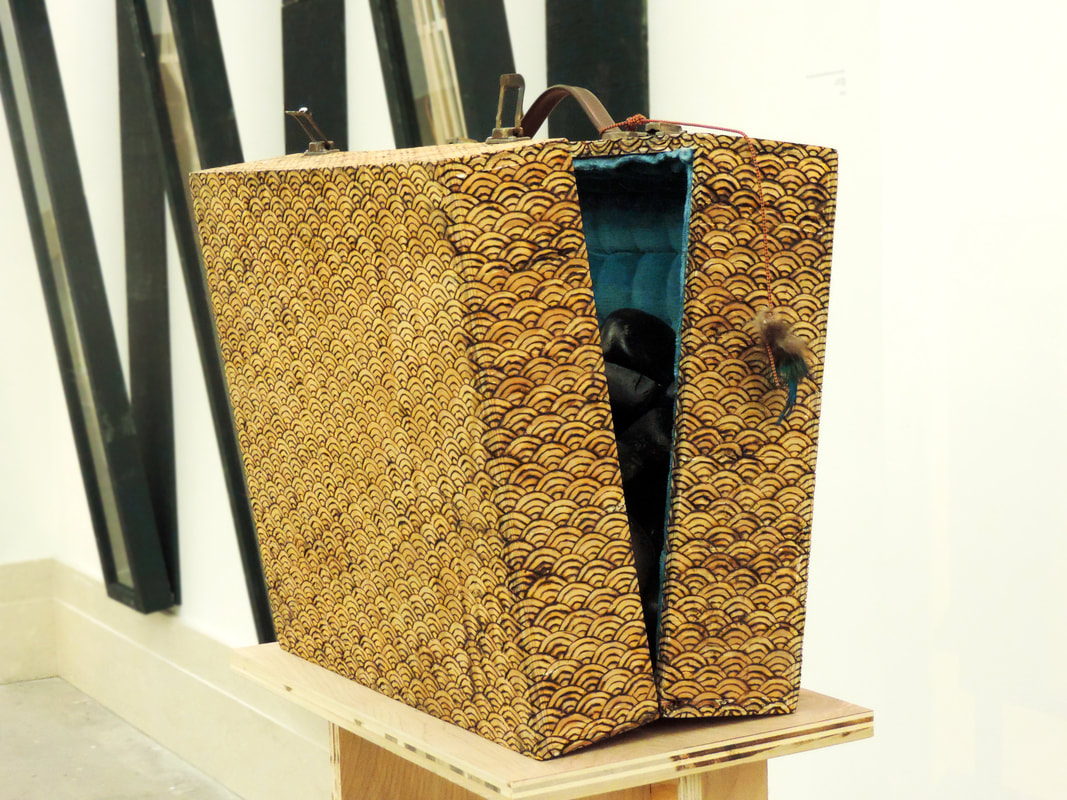
FROM THE GROUND ITSELF, IN ONE BLUE FIELD, 2018
|
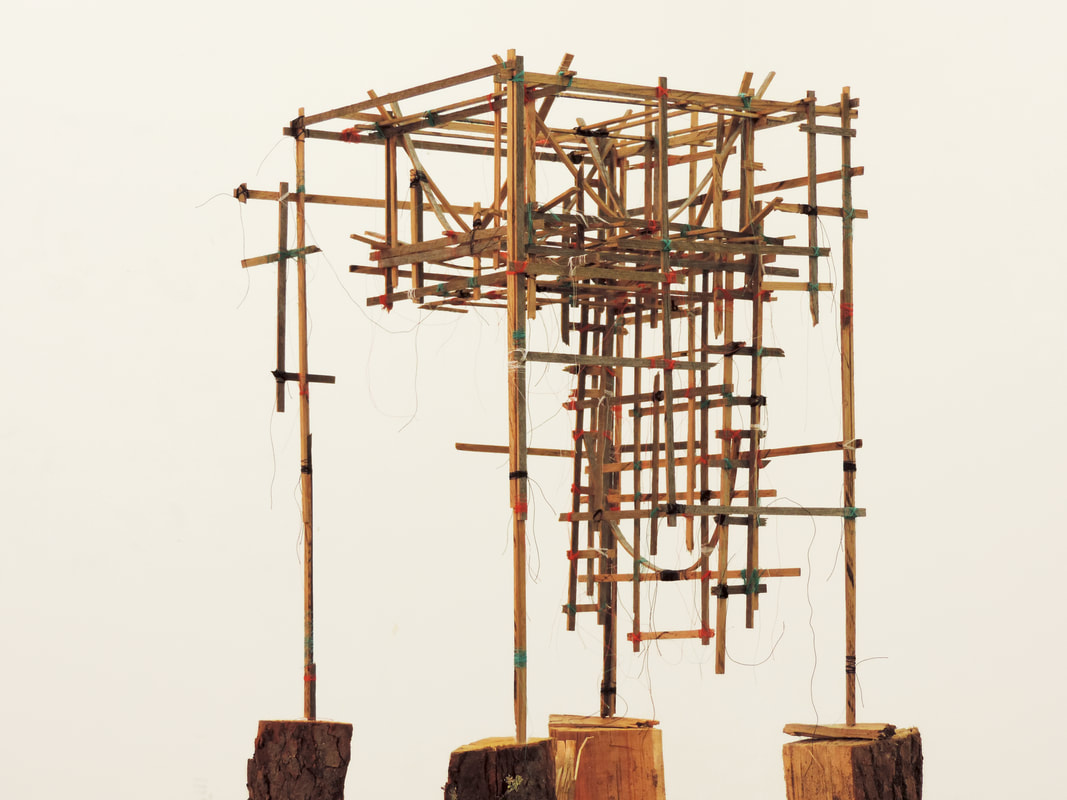
HANGMAN, 2018
|
2017
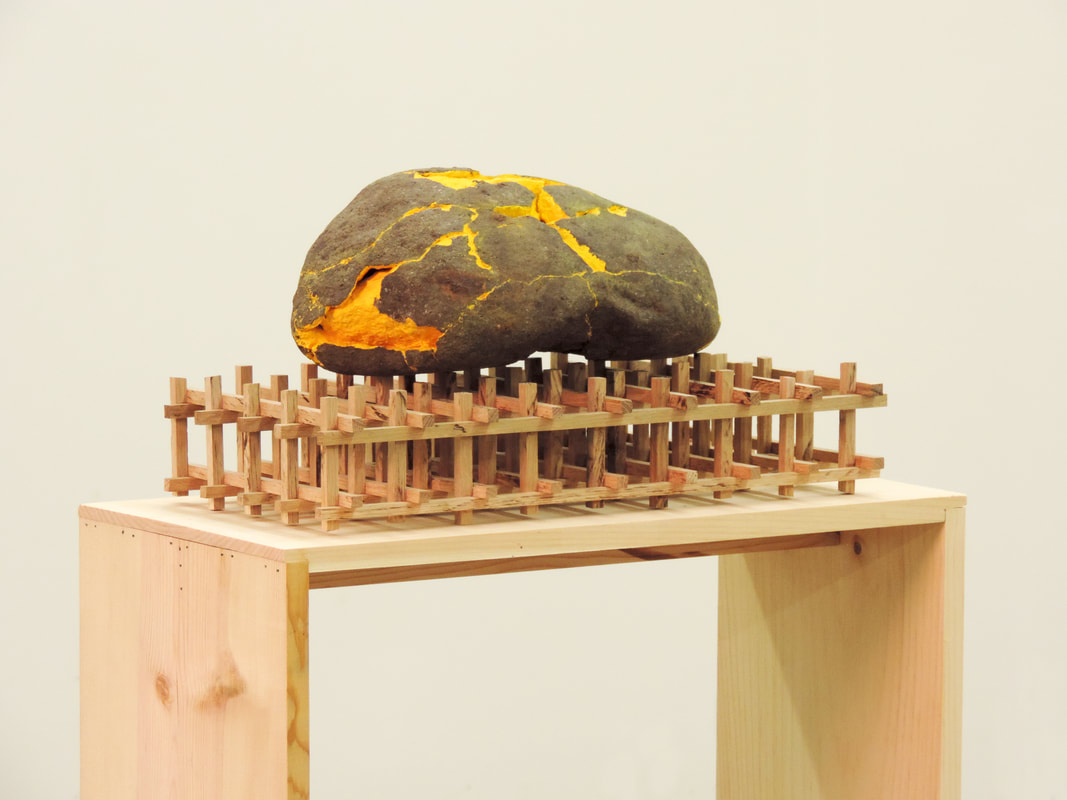
AND LOSE MY HEART ON THE BURNING SAND, 2017
|
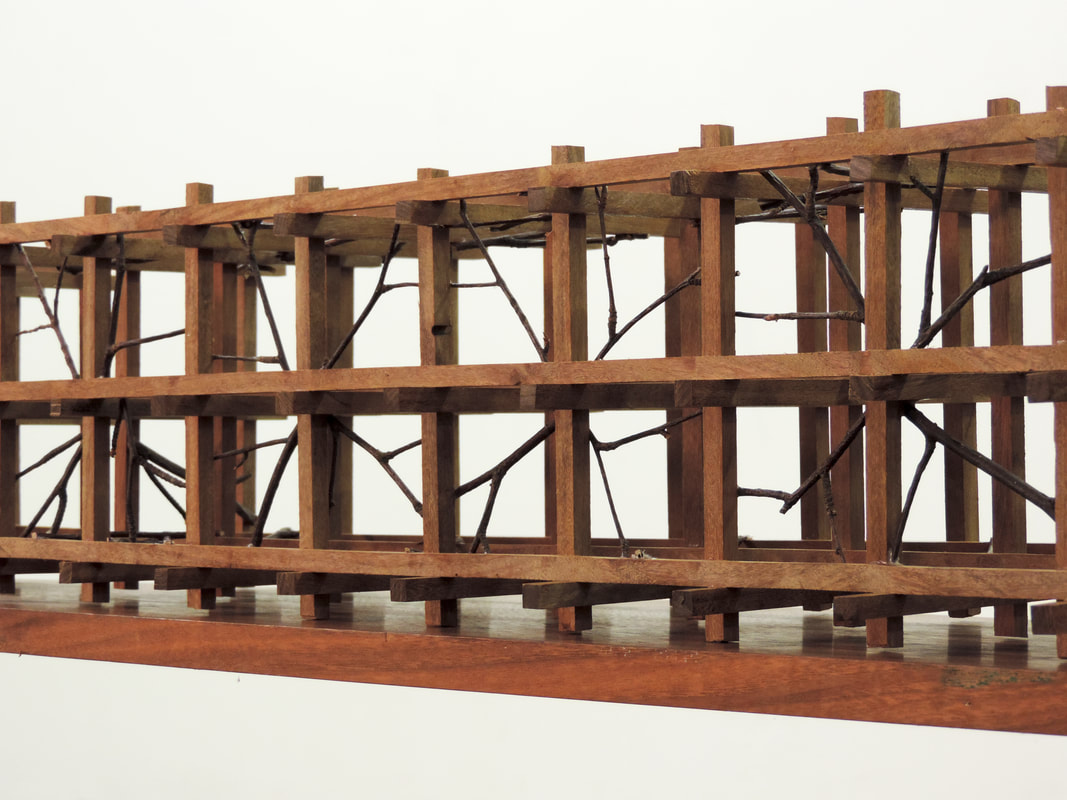
THE ULTRAMEGANATURAL, 2017
|
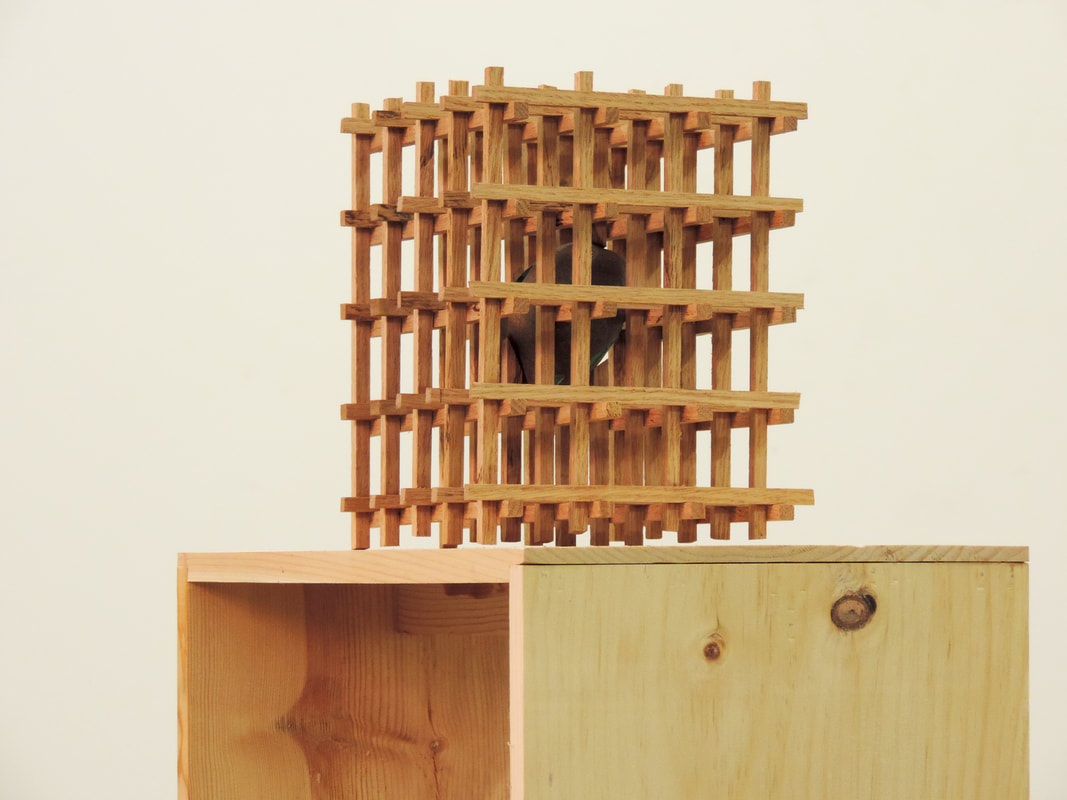
STRIDULATE, 2017
|
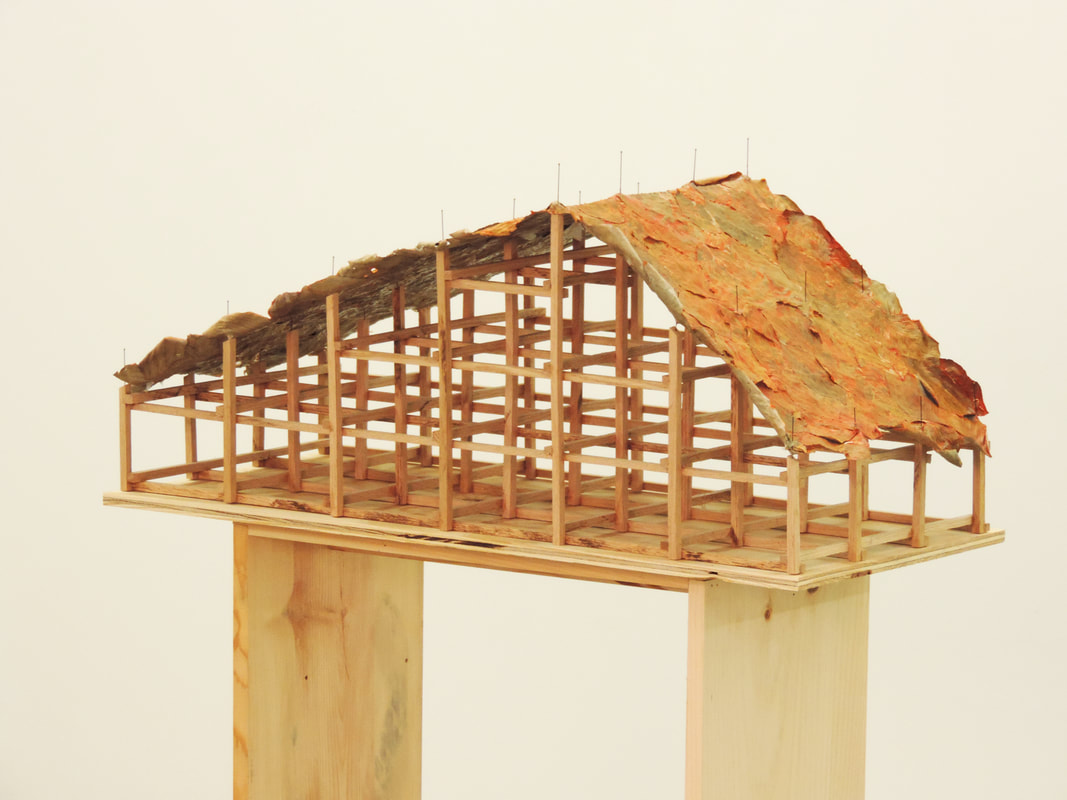
THE EDGE OF MY HAND, 2017
|
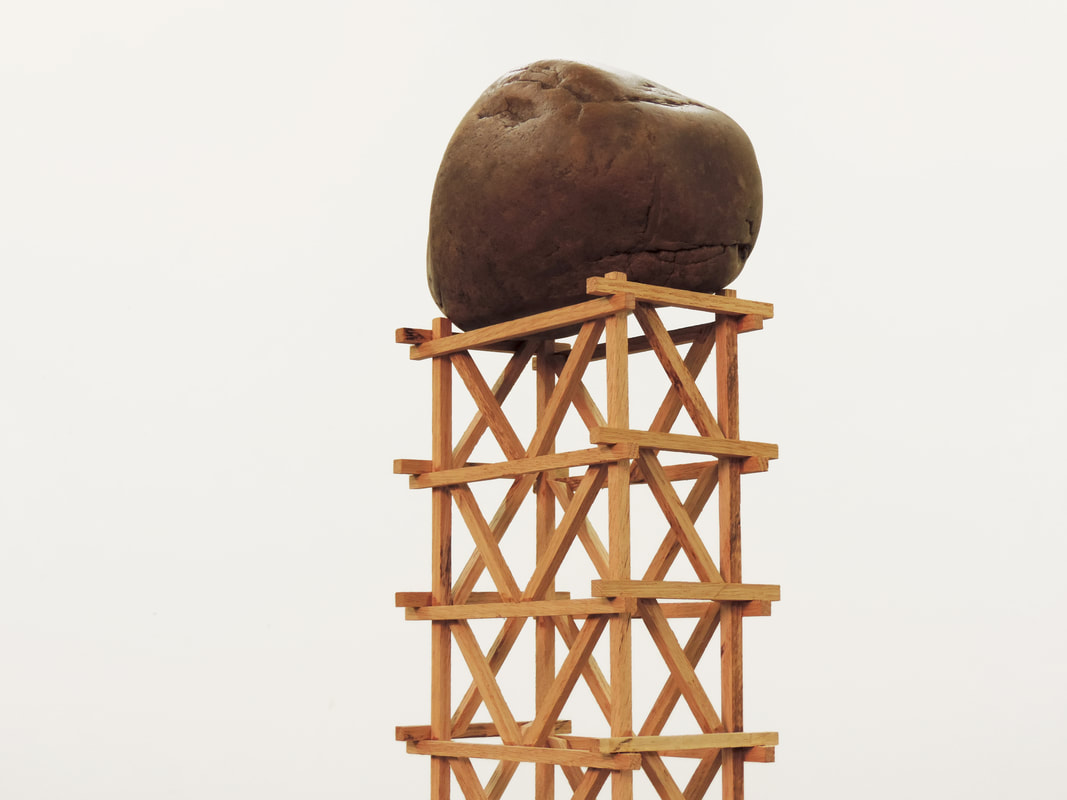
TREES LOVE THE NESTS IN BIRDLAND, 2017
|
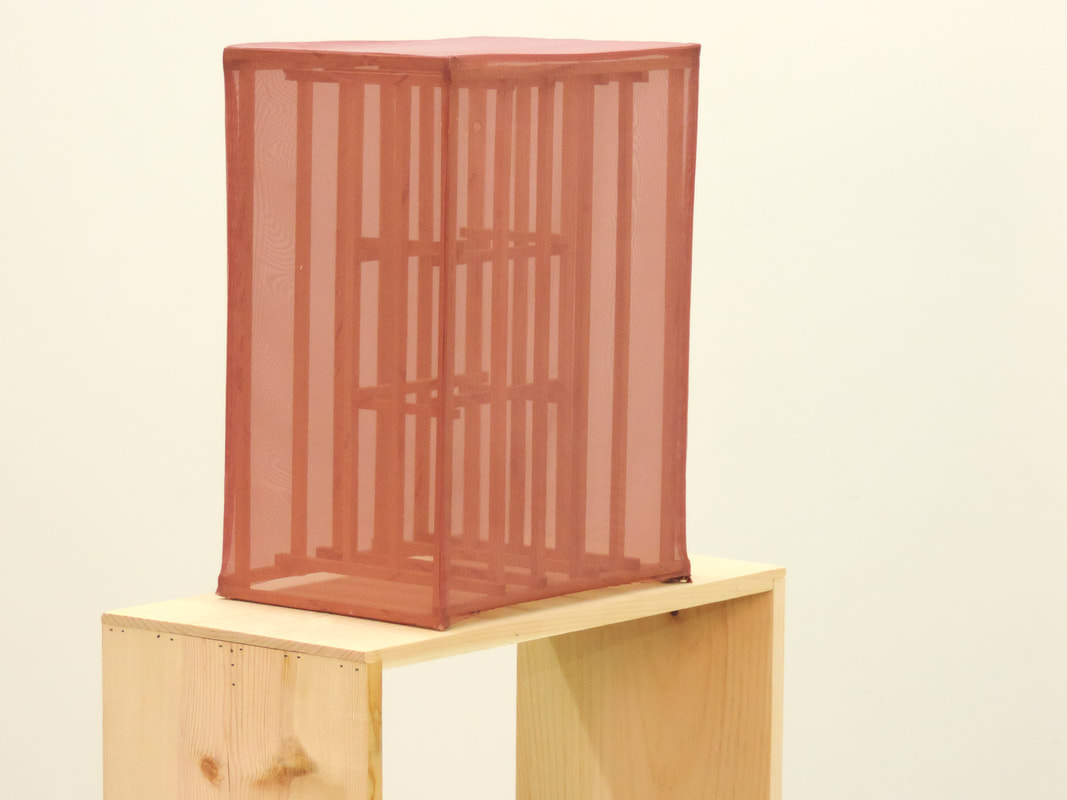
YOU TAKE THIS LOVE, 2017
|
2015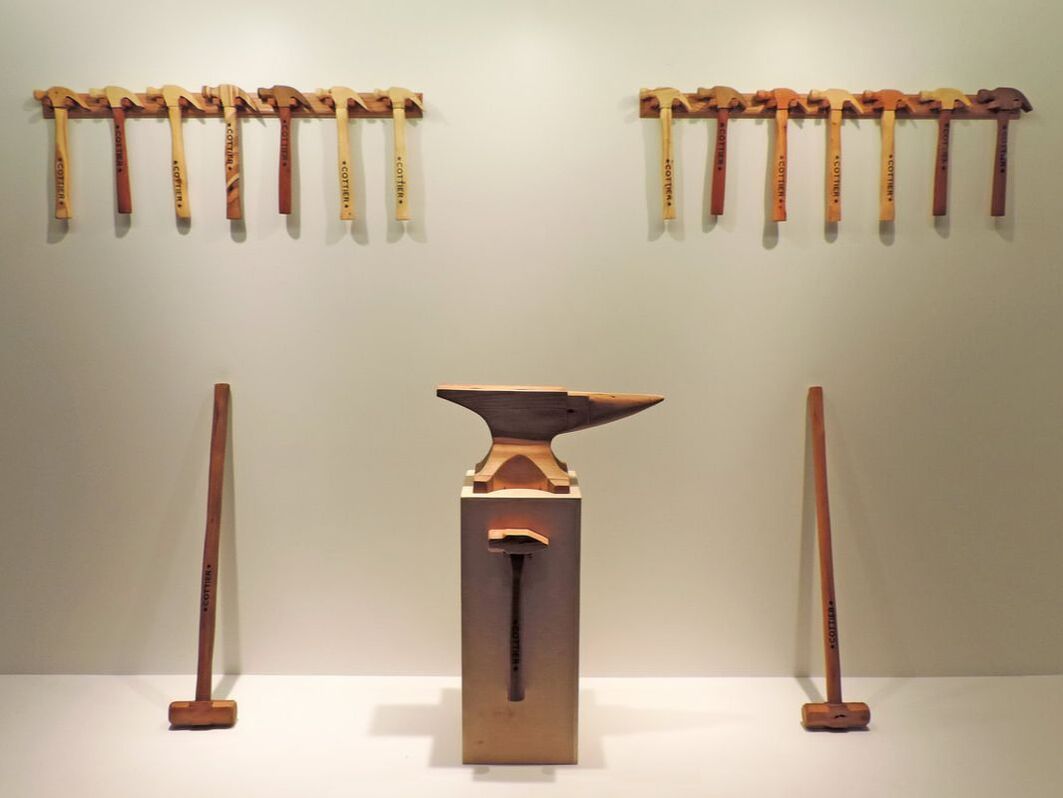
HOLDING BACK WHAT I CAN BUT THE POWER IS SO MUCH, 2015
|